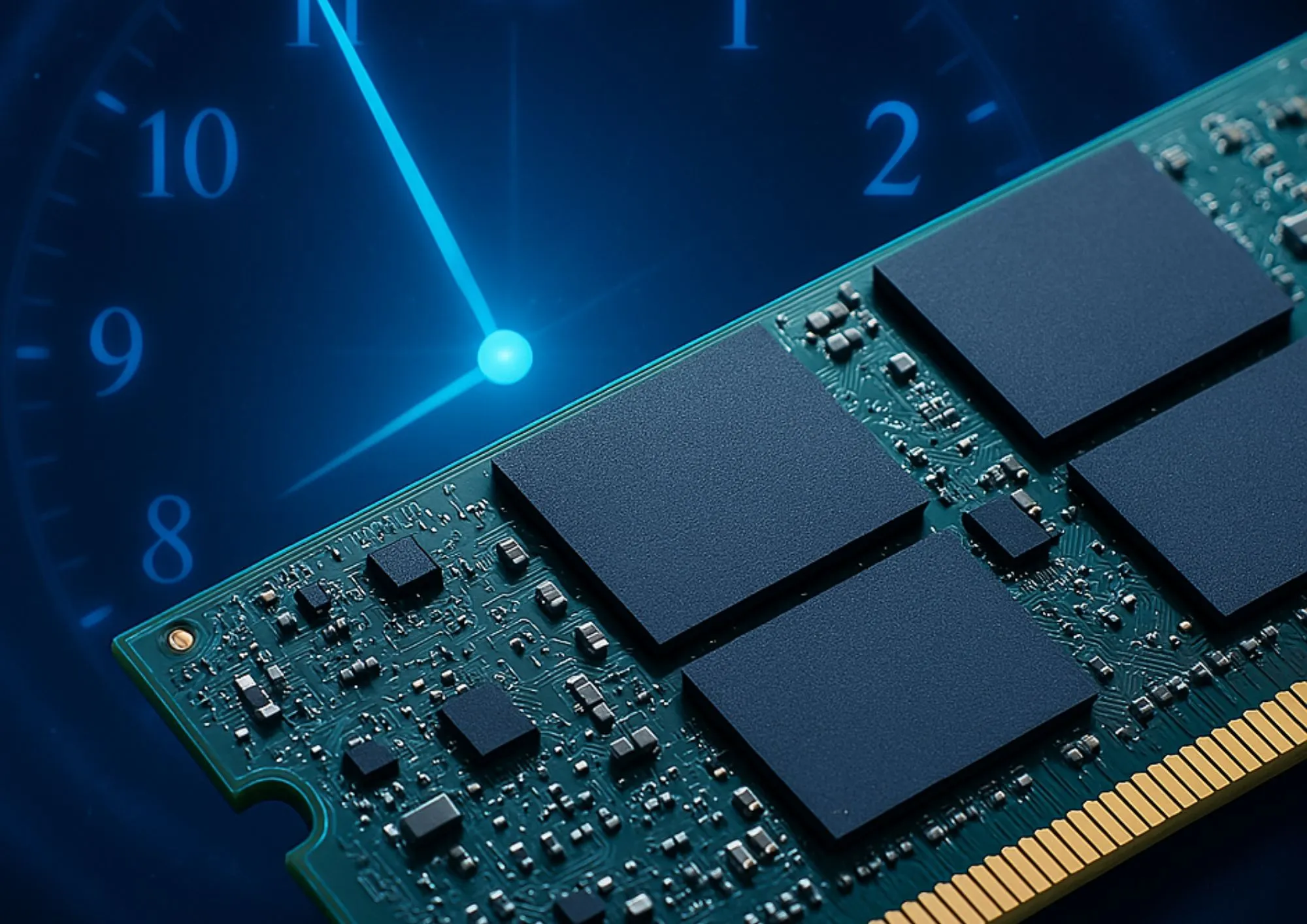
DDR5 RAM in Focus
Following our look at the DDR4 generation, this time we’re turning our attention to the latest standard in the server sector: DDR5 server RAM. When was DDR5 introduced? How has the technology evolved compared to DDR4? And which server models already rely on DDR5 ECC modules? In this article, we take a closer look at the technology, application areas, and market status of this forward-looking RAM generation.
Technical Specifications and Information

Introduction and Usage Timeline
- 2020: Specification finalized by JEDEC
- 2021: First platforms with DDR5 support appear (Intel Xeon “Sapphire Rapids”, AMD EPYC “Genoa”)
- From 2022: Broader availability in the server market
- From 2024/2025: DDR5 increasingly adopted by large enterprises
Technical Features
- Standard: DDR5 SDRAM
- Clock speeds: 4800 MHz to 6400+ MHz (e.g. DDR5-4800, DDR5-5600, DDR5-6400)
- CAS latencies: typically CL40 to CL52 – higher than DDR4
- Data rates: 4800–8800 MT/s (JEDEC specification)
- Transfer rate: up to 67.2 GB/s per module (DDR5-8400)
- Voltage: 1.1 V (lower than DDR4 at 1.2 V)
- Capacities in the server sector: from 16 GB up to 512 GB per module (RDIMM / 3DS DIMM)
- Types (form factor/variants): DDR5 ECC UDIMM (for workstations and small servers), DDR5 RDIMM (Registered DDR DIMM for standard servers), DDR5 LRDIMM (Load-Reduced DIMM for maximum memory utilization), DDR5 3DS DIMM (3D Stacked DIMM for extreme capacities)
- Ranks: Single Rank, Dual Rank, Quad Rank, Octal Rank (with 3DS)
- Form factor: 288-pin DIMM – not compatible with DDR4
Key Features of the DDR5 Generation
- 3DS technology enables up to 256 GB per module through stacked chips
- Features two independent 32-bit channels per module (instead of a single 64-bit channel) – improving parallelization and reducing latency during data access. Especially beneficial for multi-threaded workloads and high memory demand.
- Integrated voltage regulators (On-Module Power Management, PMIC) are built directly into the module and take over voltage control previously managed by the motherboard. This ensures more precise power distribution, reduces electrical losses (IR-drop), and improves signal integrity.
- Higher bandwidth per channel possible – ideal for multi-core CPUs with high memory demands, as DDR5 enables more efficient CPU core utilization and reduces bottlenecks in data-intensive applications.
- Scalable to over 4 TB RAM per socket (depending on platform), making DDR5 especially attractive for memory-intensive applications like AI training, in-memory databases, or virtualization on an enterprise level.
DDR5 vs. DDR4 – Advantages of DDR5 over its Predecessor DDR4
With DDR5, up to twice the bandwidth can be achieved with comparable energy consumption – a clear advantage over its predecessor DDR4. A maximum of 67.2 GB/s is possible, compared to 25.6 GB/s with DDR4. Additionally, DDR5 modules offer improved energy efficiency due to their lower voltage (1.1 V instead of 1.2 V) and integrated voltage regulators (PMIC).
DDR5 server memory is also ideal for applications like AI, High Performance Computing (HPC), and Big Data, as significantly higher capacities per module are achievable – up to 512 GB (DDR5 3DS) compared to a maximum of 256 GB with DDR4.
Another benefit: While DDR4 only provides error correction via dedicated ECC modules, DDR5 additionally features integrated On-Die ECC – offering enhanced data security directly within the memory chip.
Data processing is also more efficient thanks to the doubled prefetch width (16n instead of 8n) and the division into two independent 32-bit subchannels per module – instead of a single 64-bit channel as with DDR4.
Buy DDR5 Memory at a Low Price – Refurbished at Serverando


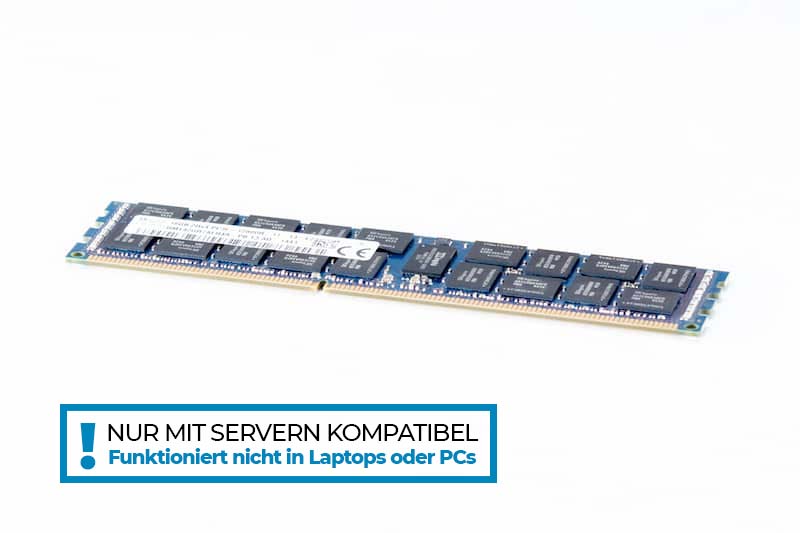

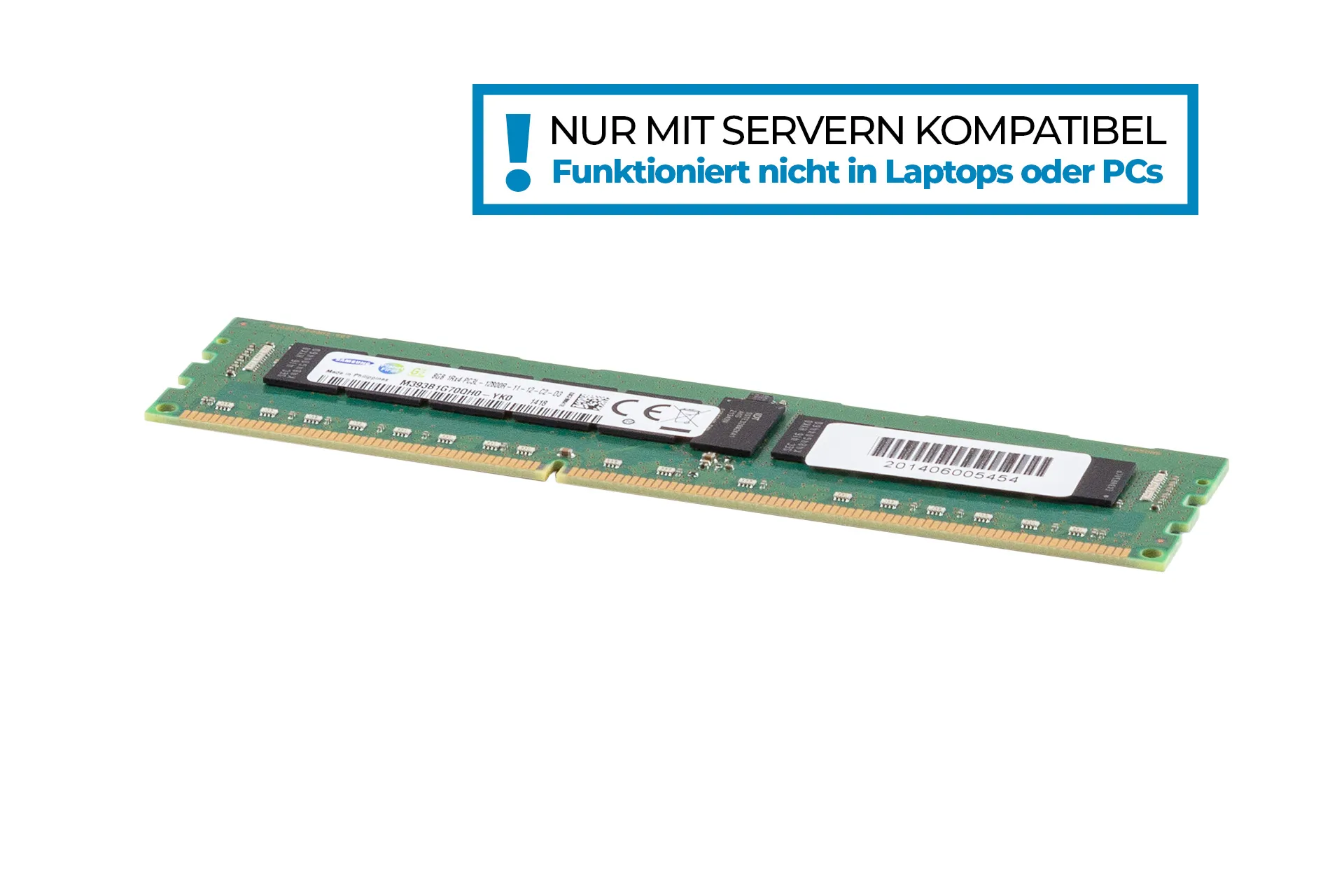
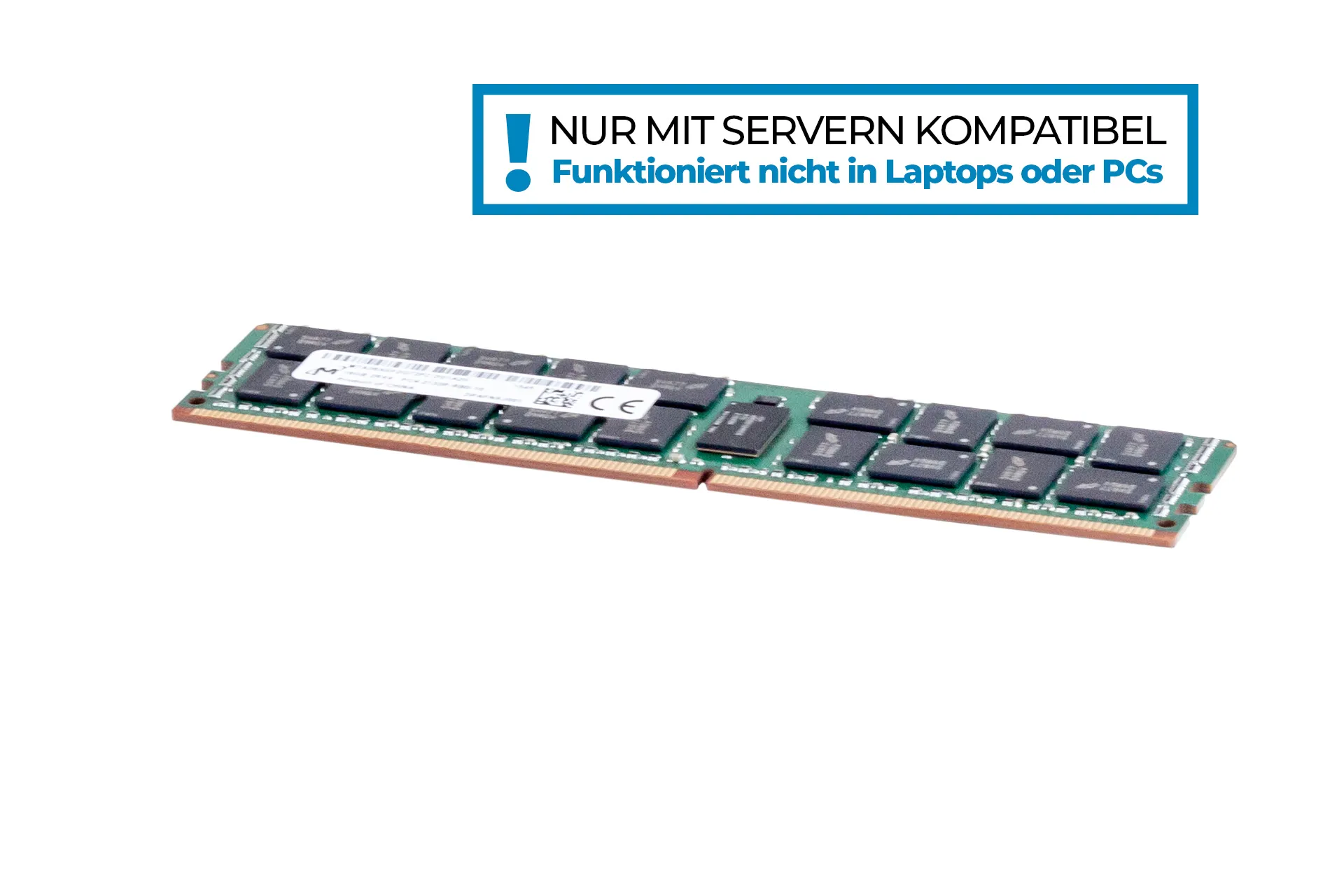
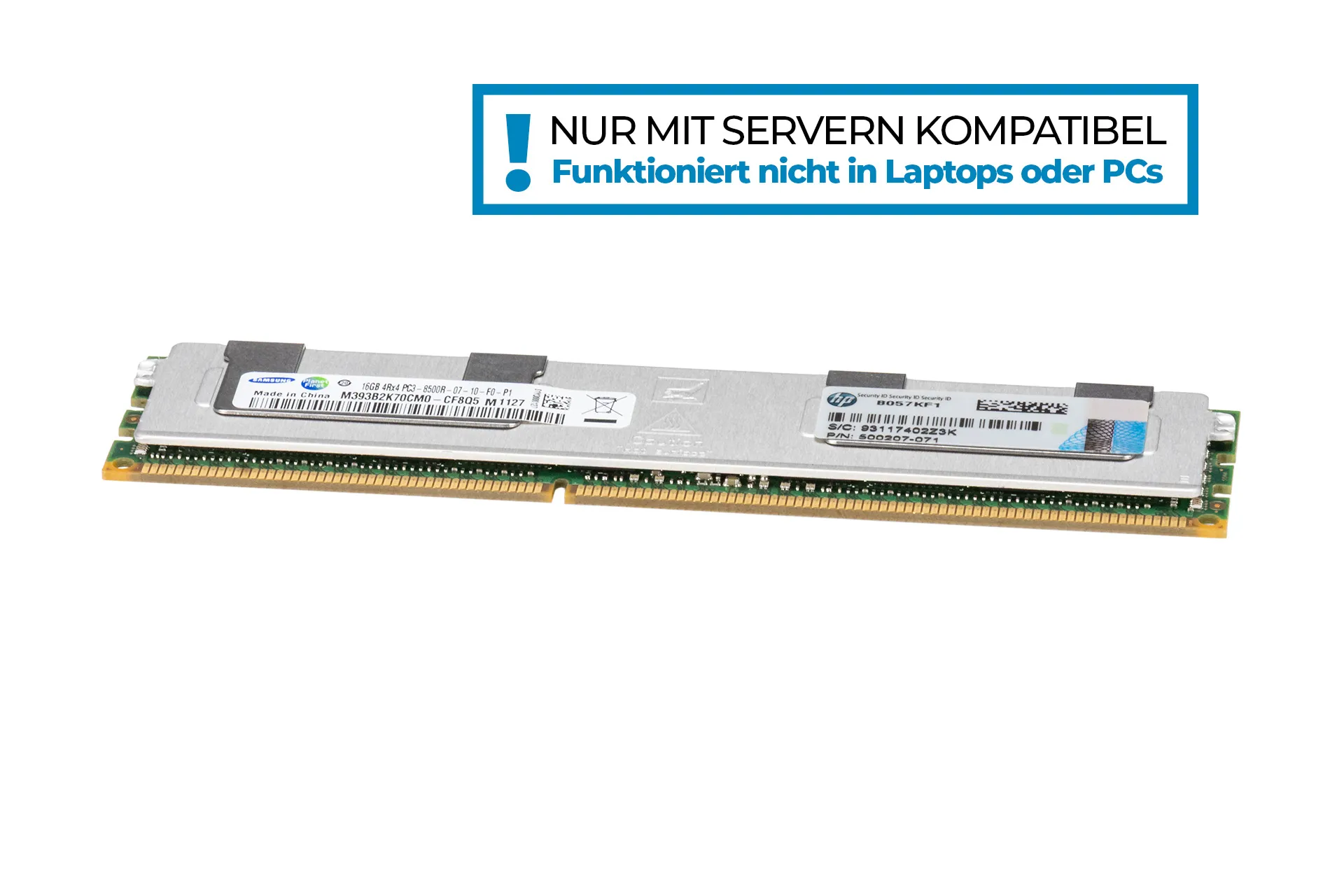
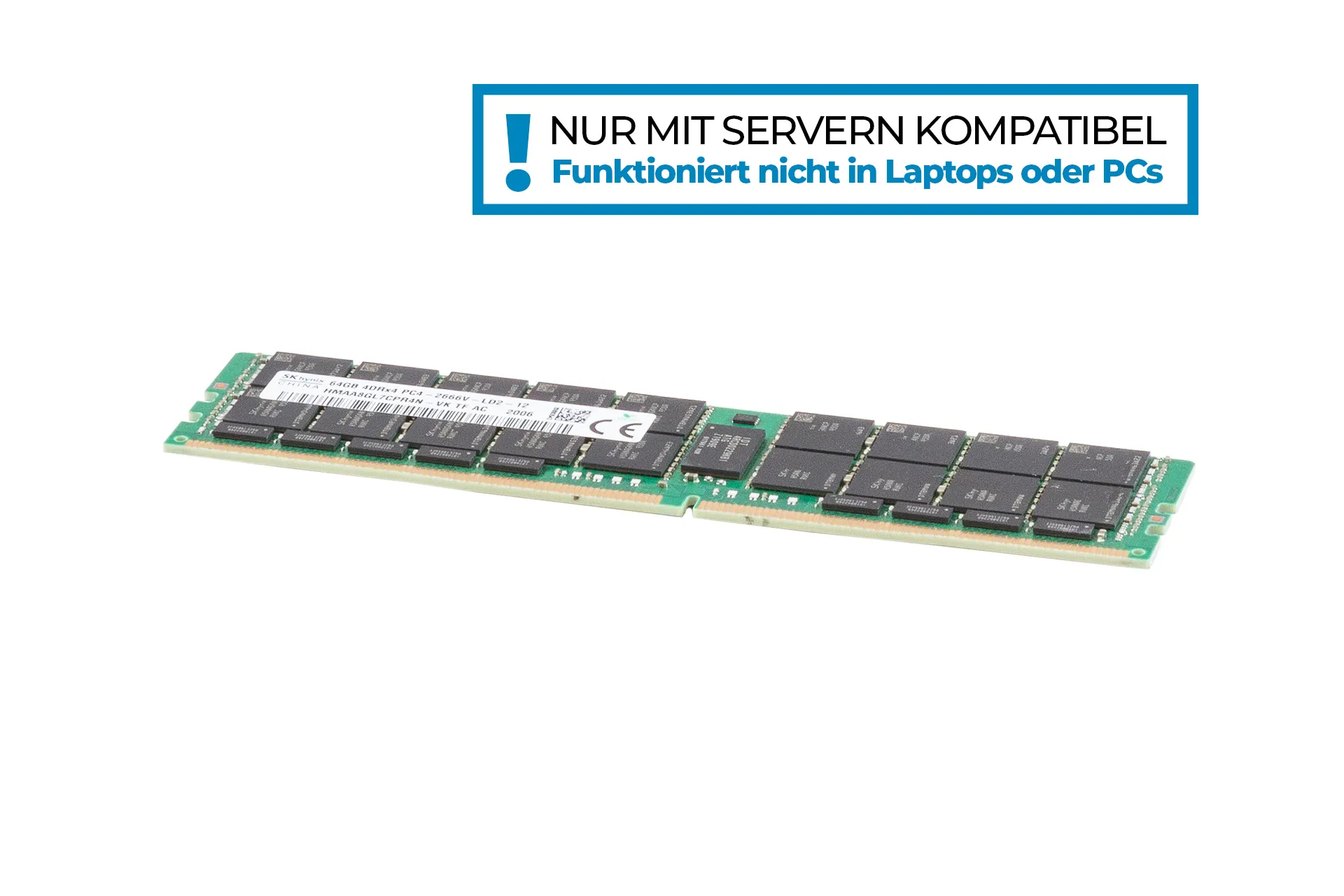


Available, delivery time 1-3 days
Server Models, Compatibility, and Application Areas of DDR5
With the introduction of DDR5 into the server sector, a new generation of high-performance systems has emerged, designed specifically for data-intensive and future-oriented workloads. Depending on the platform, DDR5 server memory is ideal for AI training and inference, High Performance Computing (HPC), in-memory databases, cloud-native platforms, container workloads, and high-density virtualization.
Among the most well-known DDR5-compatible servers is the HPE ProLiant Gen11 series (e.g., DL360 Gen11, DL380 Gen11), supporting up to 4TB or 8TB DDR5 RAM (with 256 GB DDR5 modules) as well as 4th and 5th Gen Intel XEON Scalable processors. DELL PowerEdge servers like the R760, R7615, or especially the R7625, based on AMD EPYC 9004 CPUs, deliver maximum performance and are optimized for virtualization, databases, or AI workloads.
Lenovo ThinkSystem SR650 v3 or SR665 v3 servers, designed for Intel XEON Gen5 or AMD EPYC “Genoa” processors, support up to 8TB DDR5 memory and offer PCIe Gen5 and GPU support. Modular platforms such as the Supermicro X13 series (with Intel) and H13 series (with AMD processors) are tailored for demanding applications, compute-intensive workloads, as well as HPC, cloud, or data analytics.
Examples of chipsets include Intel C741 or AMD SP5. These systems run, for example, with 4th Gen Intel XEON Scalable processors (“Sapphire Rapids”) or AMD EPYC 9004 series (“Genoa”, “Bergamo”). Motherboards with DDR5 support include models like the ASUS ESC8000A-E12 or the Supermicro X13SWA & H13SSH boards.
Market Status & Availability of DDR5

And even though DDR5 will eventually replace DDR4 in the long term, DDR4 remains a powerful and economically sensible solution for many SMEs at present. For companies that are ready to move to DDR5, Serverando offers a smart alternative: refurbished DDR5 RAM and compatible servers – tested, immediately available, and significantly more affordable than new products.
With our server configurator, you can tailor your ideal server precisely to your needs and requirements – whether it’s based on DDR4 or DDR5 RAM. And with an optional warranty extension, you can secure long-term peace of mind.
Find more interesting blog articles on the topic of server memory here: