Evolution of data storage - from 40,000 BC to the present day
Data protection, data utilisation, data leakage, data backup, databases, data analysis, data check - data, data, data.Our world is full of it, we are even living in the "age of data", because backing up and analysing sheer floods of information has completely overwhelmed us, at the latest with the introduction of AI.In order to be able to capture these boundless masses, we not only need high-capacity and secure hard drives, but also innovative software and powerful servers that can cope with computationally intensive big data analysis workloads.After all, only technology that is constantly being honed and improved can cope with the endless flow of information. Surprisingly, not much has changed in terms of "platforms" in recent decades - unlike in terms of capacities. But what did the recording and saving of data actually look like before the computer age? Which storage platforms did our ancestors already use? In our new blog post, we take you on a journey through time and report on the "evolution of data storage".

The human brain - 1 petabyte of storage capacity always with you
The human brain is the ultimate data storage device. By walking upright and increasing the size of our brains, we have become increasingly different from our ancestors. Researchers believe that we have a "storage capacity" of up to one petabyte. Hard to imagine?A PB consists of 1,000 terabytes - if you take a look around your workplace, that's 62,500 full 16 GB USB sticks, around 2,000 full 500 GB hard drives, as often found in notebooks, or 500 billion pages of paper printed with text. Unbelievable, isn't it?
While the brain size of "Australopithecus afarensis" (lived approx. 3.9 - 2.9 million years before today) was still around 400 - 500 cubic centimetres, "Homo habilis" (approx. 2.4 - 1.4 million years before today) already managed to reach 600 - 700 cubic centimetres and was thus able to create the first (known) stone tools. The "Homo erectus" (approx. 1.9 million - 140,000 years ago) then managed to reach a brain size of 800 - 1100 cubic centimetres, and the Neanderthals, who spread across Europe and western Asia around 400,000 - 40,000 years ago, even had a brain size of 1200 - 1600 cubic centimetres. This meant that they were not only able to create sophisticated tools and control fire, but had also already internalised certain cultural behaviours (e.g. burial rituals).Today, the average size of our brain is around 1230 cubic centimetres. However, as "homo sapiens", i.e. modern humans, we also know that this "data memory" is prone to errors. We remember things incorrectly, inaccurately or sometimes not at all. It is therefore impossible for the human brain to cope with today's flood of information - but thanks to our evolution, we are able to produce "complex tools" that do this for us.
Early history - The "art of data storage"
Why do we store so much data today? Competitive advantages and automation certainly play a central role here - because collecting and storing large amounts of information has many advantages, and not just for companies. We use it to make forecasts (e.g. weather, disease diagnoses), collect customer preferences, knowledge and empirical values and use these for new innovations and improvements - be it for our security, our standard of living or simply to guarantee customers a great "customer journey". In the early history of mankind (approx. 2.5 million BC - 500 BC), when the first cultures were formed, the intention behind "data backup" was probably quite different. There were no books to read, no phrase books to communicate between foreign peoples and no instructions on how to make hand axes or make fire.
We don't know what motivated people back then to leave their "data" - be it for the purpose of communication, a spiritual ritual or to leave something behind for the next generation. The only thing that is certain today is that they did it. Natural materials served as "storage media", for example:
Rock walls
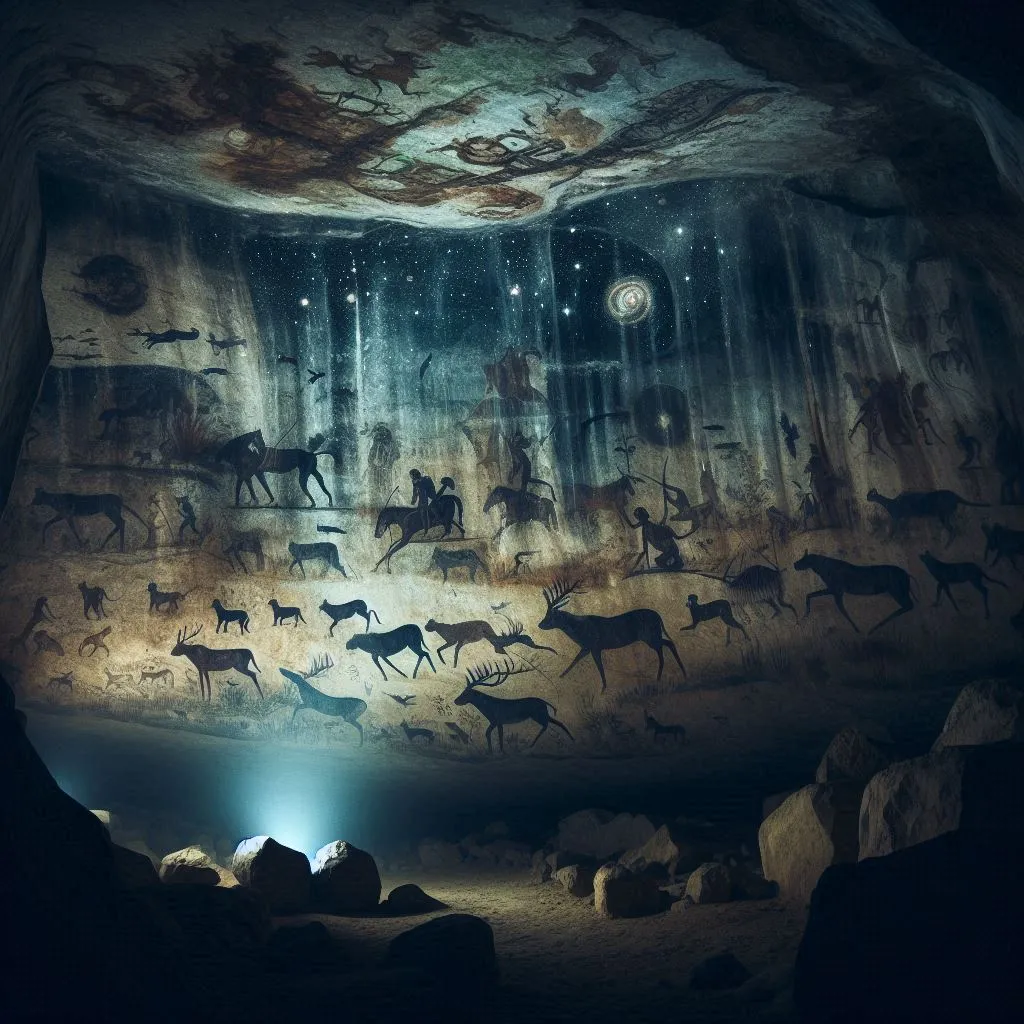
Around 40,000 years ago, cave walls were already used as a "storage medium". People used the rock faces to record a wide variety of drawings, such as animals, geometric shapes, hunting scenarios or "mythical creatures", i.e. figures with both human and animal features.
Papyrus
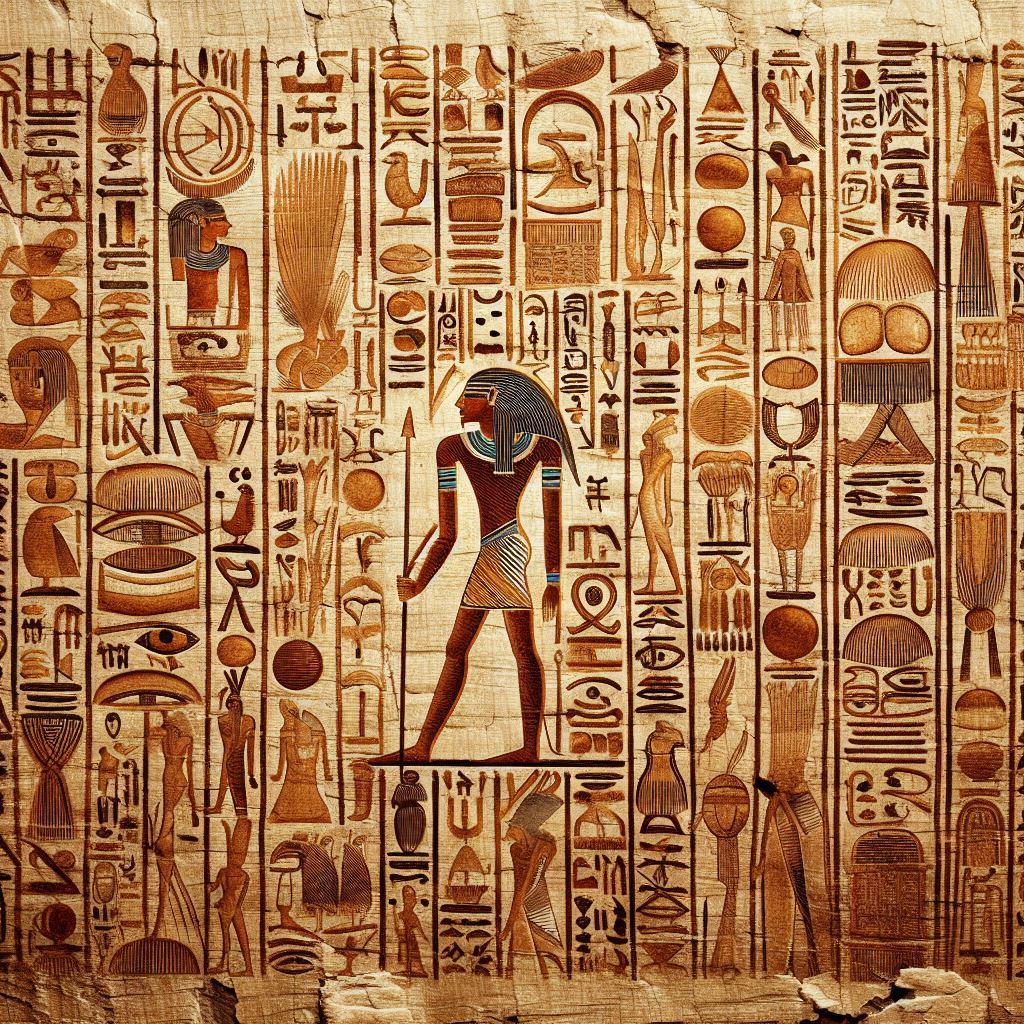
Papyrus began to be used as a writing material around 5000 years ago. It is made from the plant of the same name.
Clay tablets
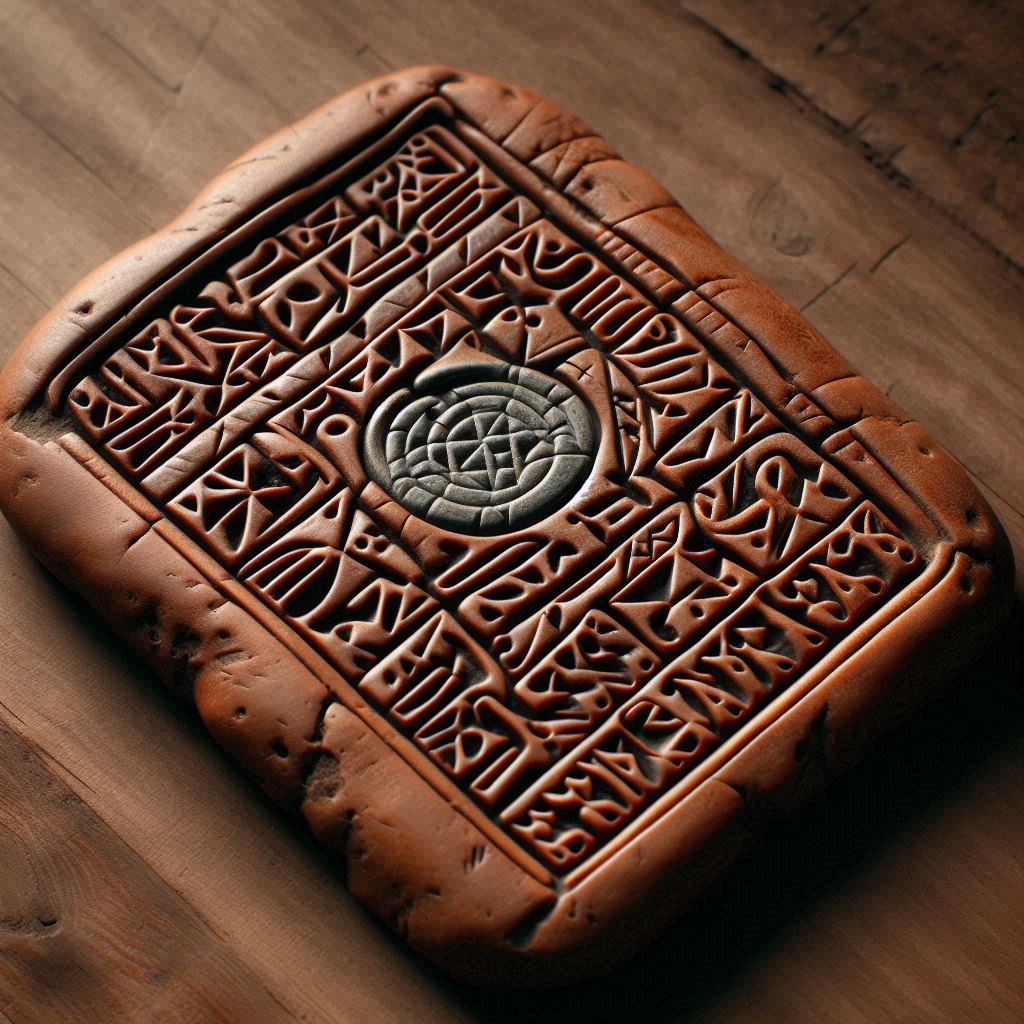
The Celts (approx. 8th - 1st century BC) had a somewhat elaborate way of recording their data: They made tablets from clay or loam into which symbols were carved. These tablets were made durable over a long period of time by firing them.
Antiquity: storage media of advanced civilisations survive for thousands of years
The ancient world (approx. 500 BC - 500 AD) not only saw the emergence of early advanced civilisations, but also storage media that have survived the millennia. We can still look at some of the pieces found in museums around the world today and marvel at the methods and ideas our ancestors had already perfected. Some clay tablets were still in use in antiquity, as was papyrus. The successors to these data carriers include
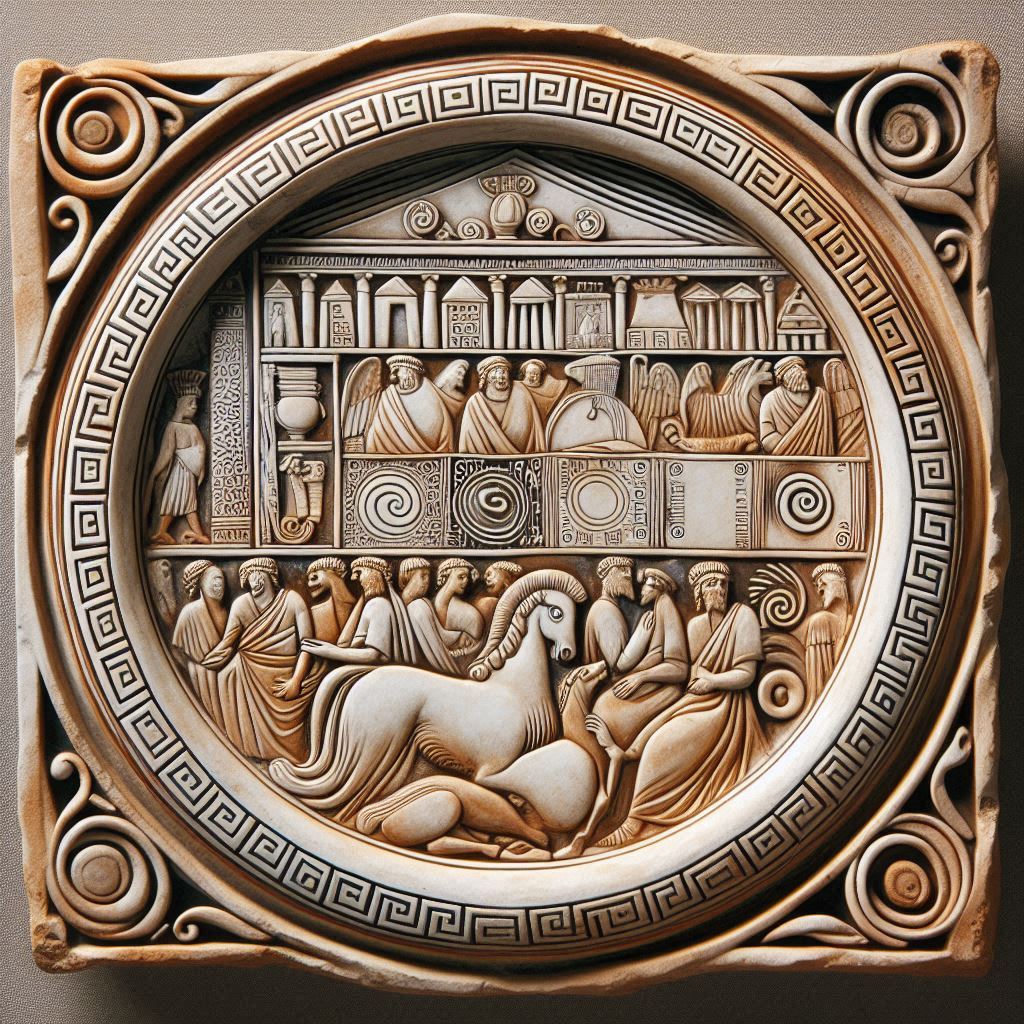
Ceramic tablets
The Greeks, Romans and Etruscans not only produced ceramic vessels, but also tablets on which, for example, writings or scenes were immortalised.
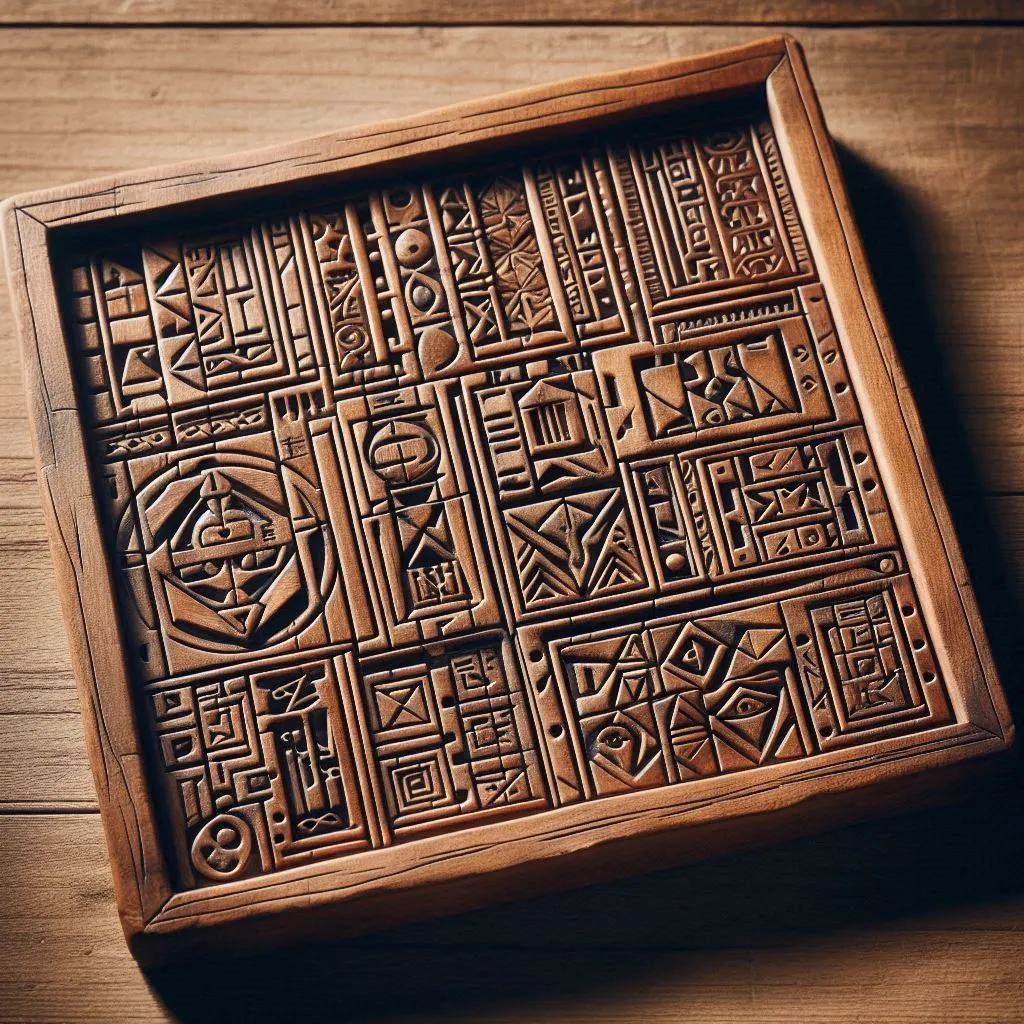
Wood
Landscapes, war and court scenes or symbols were immortalised in wood with the help of carvings.
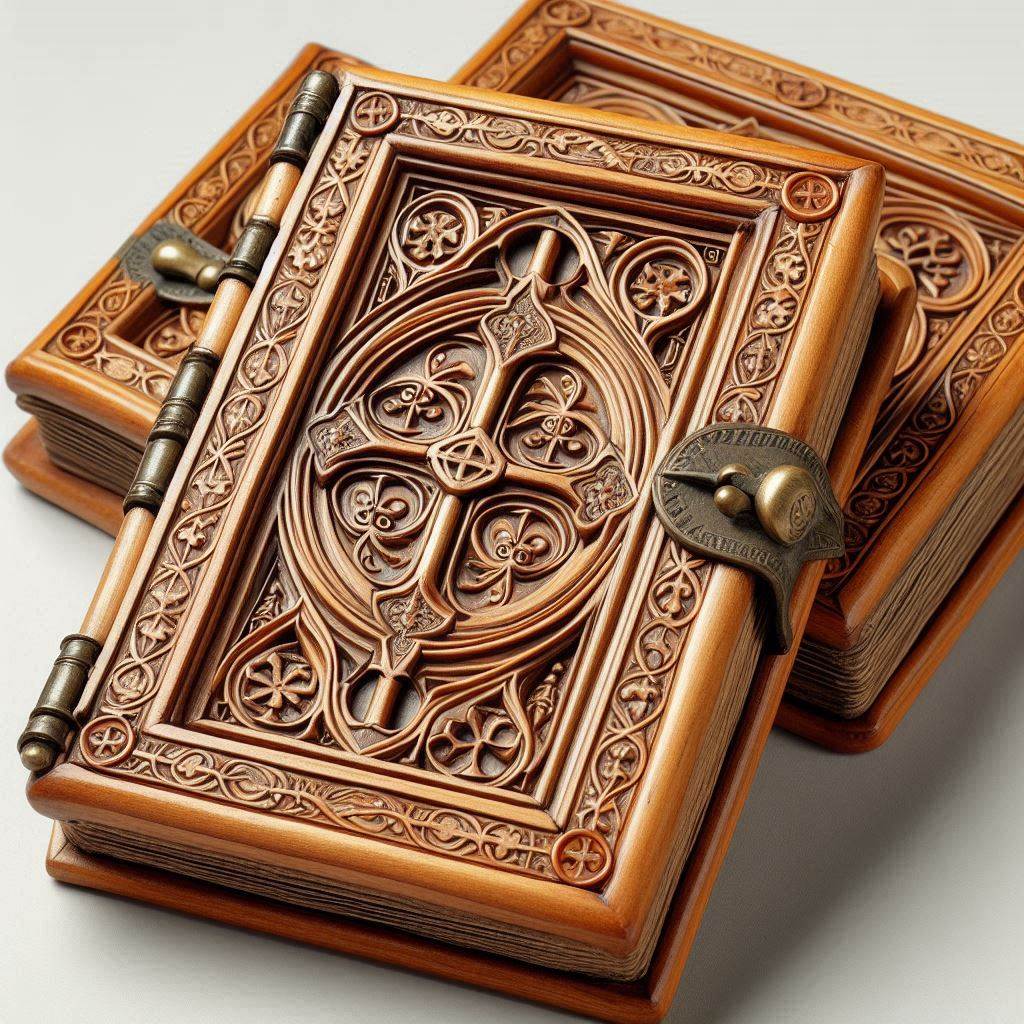
Wax tablets
Wax and wooden writing tablets were also used by the Etruscans, Greeks and Romans. The Roman tablets were made of wood, ivory or metal and were coated with beeswax. With early "writing instruments", information could then be scratched into the soft wax - the tablets were even reusable.
Data collection in the Middle Ages - progress and regression in the "dark" ages
Hardly any other period is as bizarre and the subject of as much debate as the Middle Ages. On the one hand, there were ground-breaking inventions and new technologies such as the printing press (1450), the spinning wheel (around 1480) and the treadle loom (around 1200) - at the same time, this era was characterised by religious mania, an extreme divide between rich and poor, witch hunts, famine and disease. However, data collection in the Dark Ages continued to progress - and at the same time somehow regressed. At least as far as interpersonal relationships were concerned. Let's just say: witch trials, letters of indulgence and ruthless rent collection. The recorded information was of course also secured - but how?
Wax tablets with stylus
Wax tablets were widely used until the Middle Ages. Letters could be sent back and forth - the message was "erased" after being read and the reply returned on the same medium. Quite sustainable and clever, isn't it?
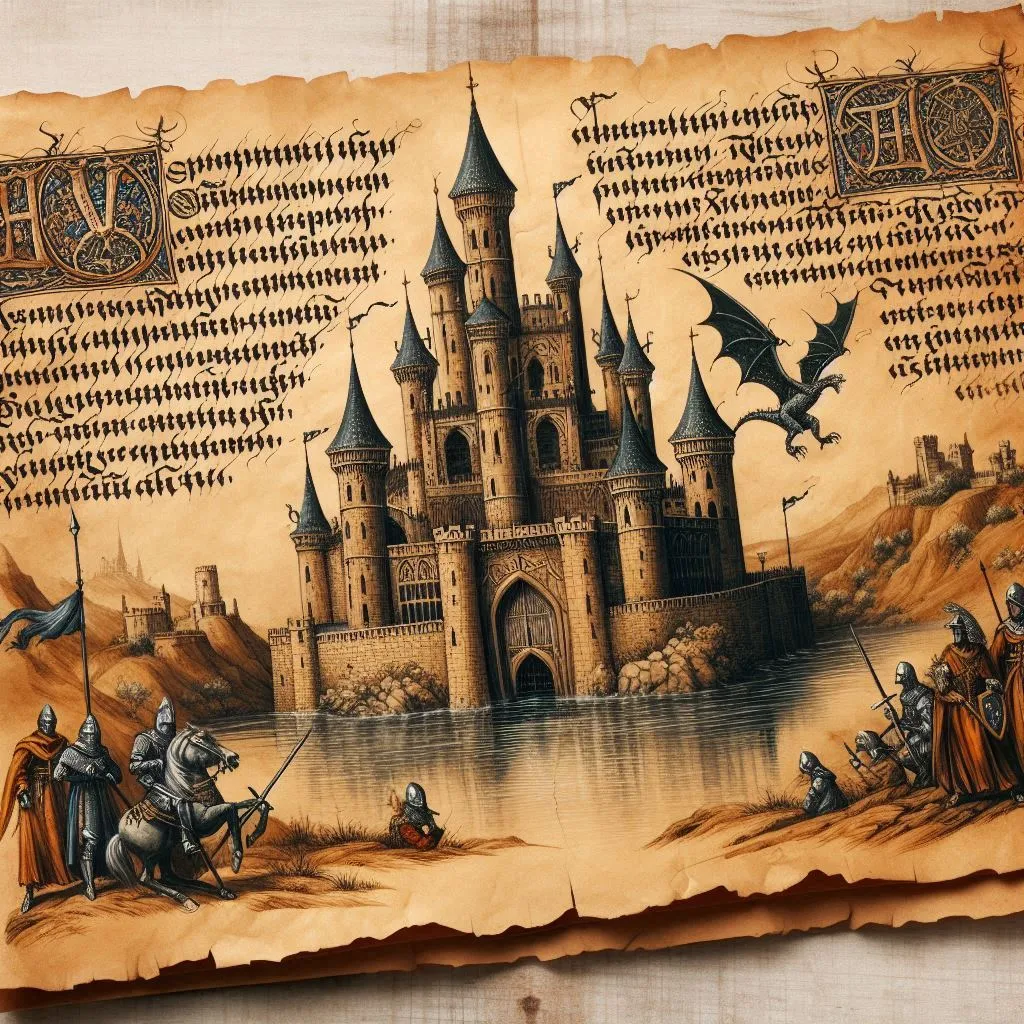
Parchment
Papyrus was now finally "out" - parchment was used instead. Although this was more stable and also rewritable, the material was not obtained from a plant but from animal skin and could only be produced using a complex process.
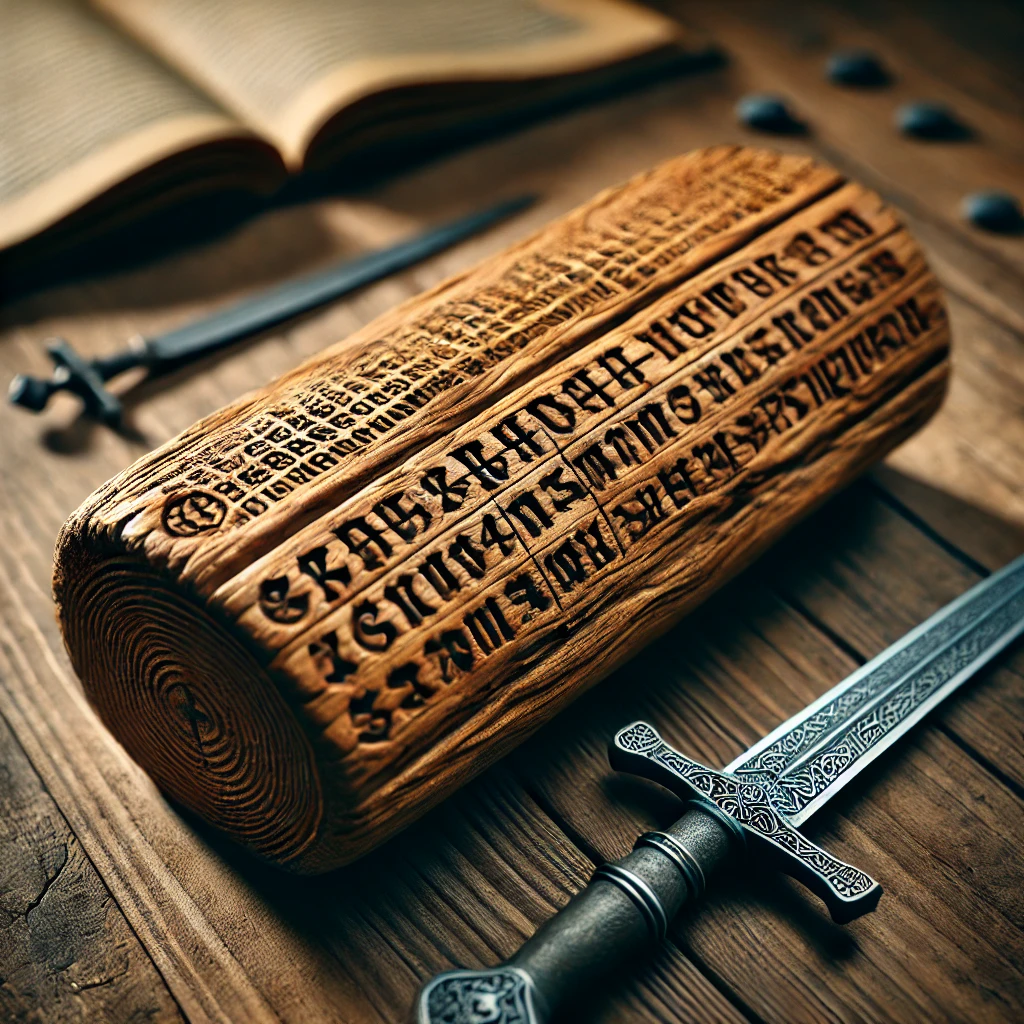
Counting sticks
There were also bookkeepers in the Middle Ages. Details of debts were engraved on counting or notching sticks - one half was given to the creditor, the other to the debtor.
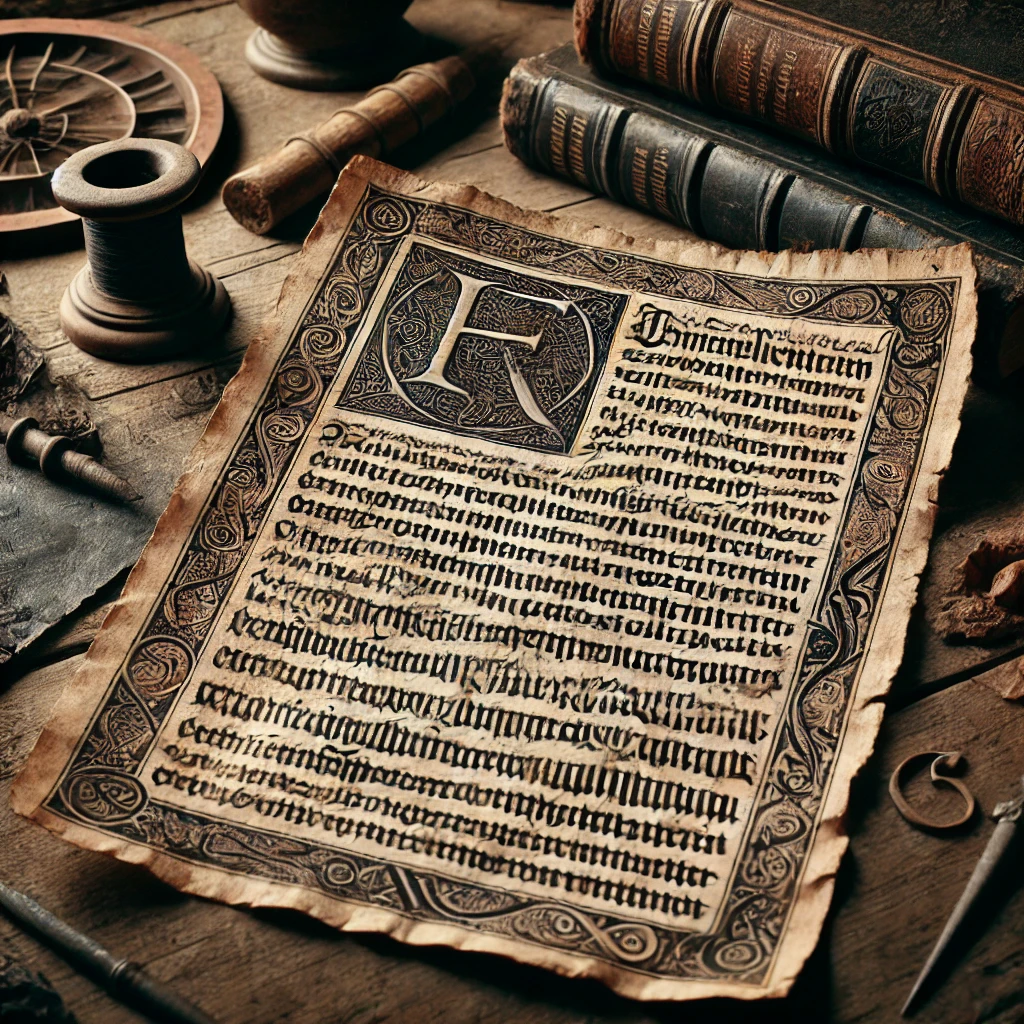
Paper
Papyrus, parchment, paper - the "storage medium" invented in China in the 11th century replaces the material made from animal skin.
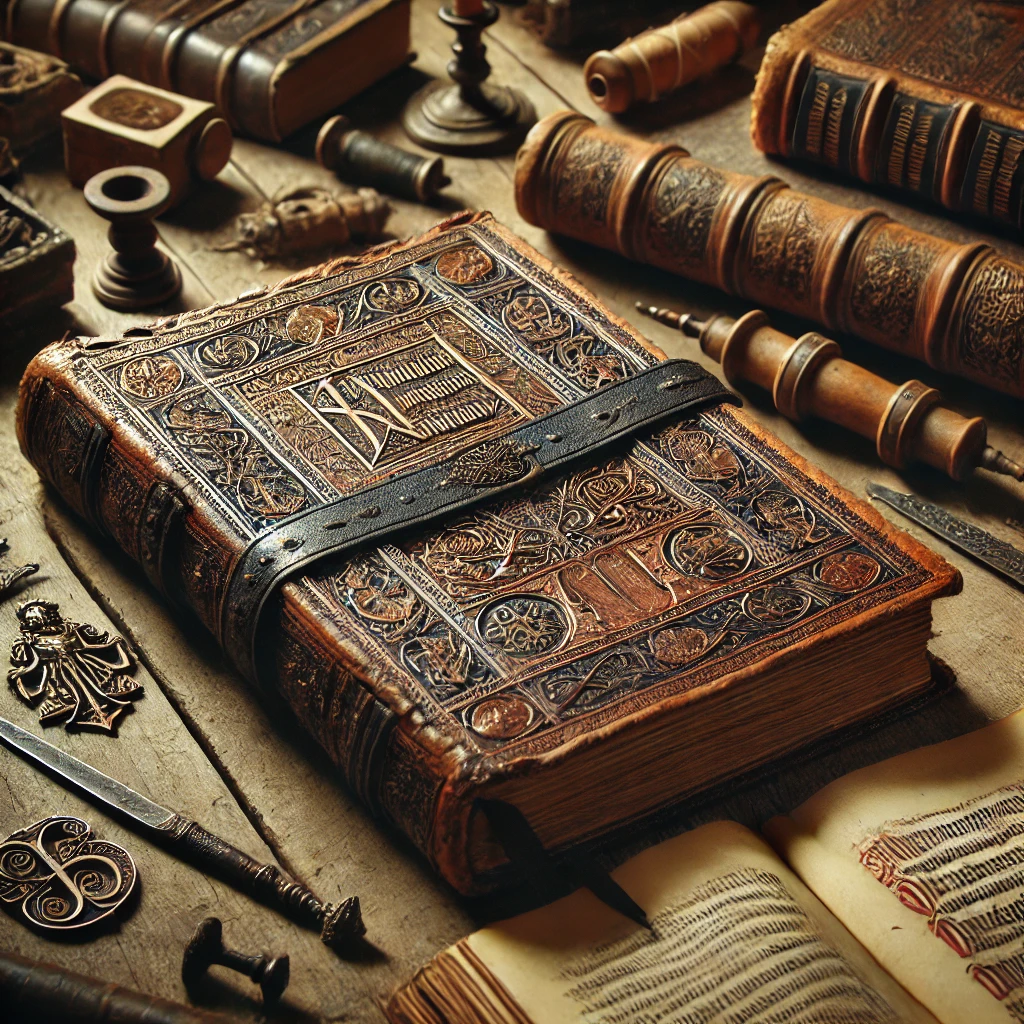
Books
Since the invention of printing in 1450, books have been the data carrier par excellence.Johannes Gutenberg's pioneering invention turned books into "mass-produced goods".The only drawback: only a few of the population could read at that time.
From castle courtyard to factory - data collection in the age of industrialisation
After the dark chapter of the Middle Ages, we now look at the ground-breaking discoveries and upheavals of the modern era (approx. 1500 - 1900 AD). The time of poets and thinkers, the Enlightenment, the reformation of the church, change, expansion, revolutions, science and industry. So interesting - and yet so boring, at least as far as the type of storage media is concerned. Because even if the earth was suddenly not a disc and the centre of our universe was the sun, these new views were still recorded on paper. What is more interesting, however, is the access to this information: what used to be cumbersome and expensive can now be produced quickly and cheaply. And was therefore available to a much wider audience. And at the very end of the modern era, there was still a small revolution.
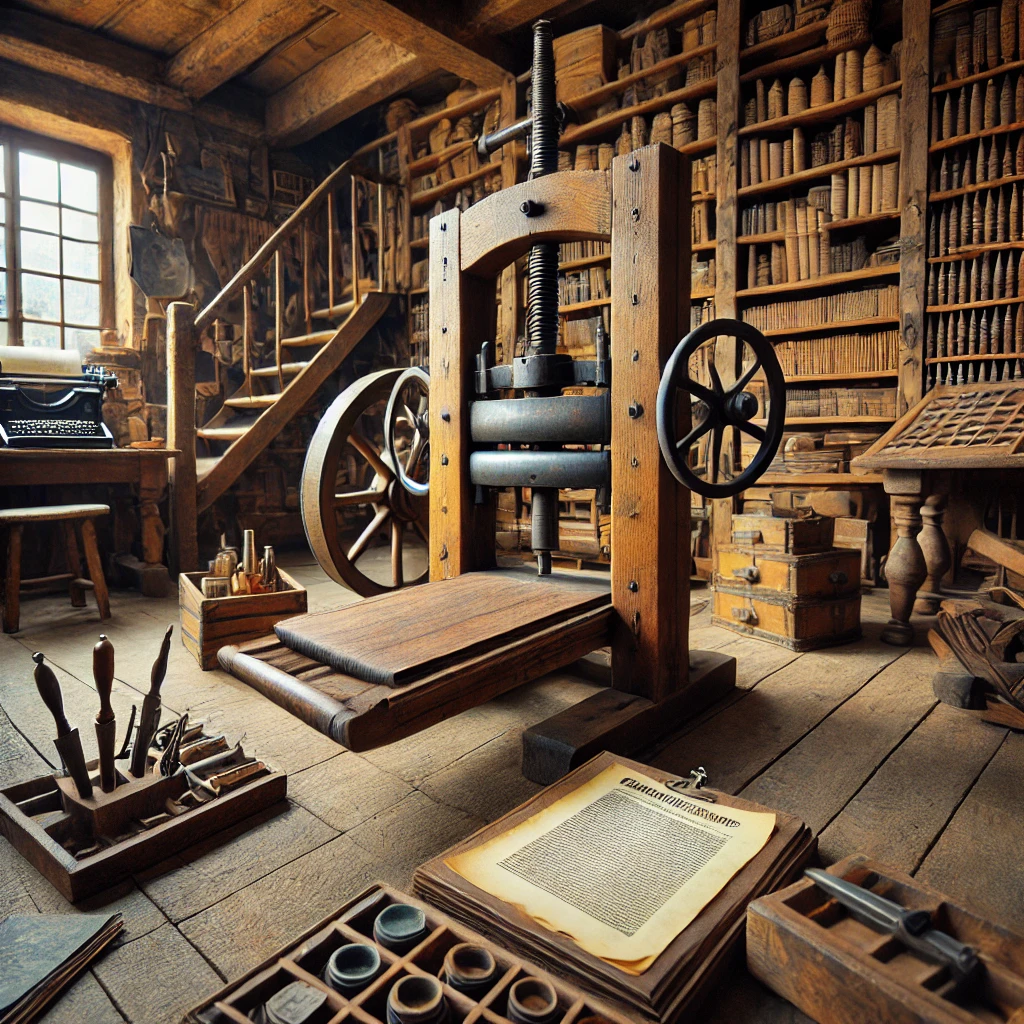
Book duplication
With the Reformation of the Church came the translation of the Bible into German - made possible by the printing press with its interchangeable printing letters. Suddenly, it was not only the opinion of the church that counted, but also that of scholars, Enlightenment thinkers, philosophers and thinkers.

Daily newspapers
It wasn't just thick tomes that could now be easily and quickly reproduced - industrialisation was one thing in every respect: an accelerator that had a lasting effect on us humans. Daily newspapers with short, informative texts became "in".

Punch cards
In 1890/1891 - not even ten years before the "end of the modern age" - there was another major innovation: invented by the later IBM founder Herman Hollerith. It was the punch card. Machine-based information processing meant that considerably more data could be processed in less time - it was first used on a large scale for the 1890/1891 census.
In the age of computers and AI - data carriers of recent history
Computer technology has exploded in the last 100 years. From fiction to reality - but hello, sometimes the constant progress of our time almost seems like witchcraft. The biggest milestone for modern data storage media was, of course, the invention of the computer. The "father" of the PC, Konrad Zuse, developed his "Z1" in 1937 - which still had a few mechanical flaws, but is still considered the world's first freely programmable computer. From punch cards to yottabytes - the constant growth in data is constantly creating new bottlenecks. The use of AI (artificial intelligence) is causing the data boom to expand even further, which sometimes has a huge impact on water and energy consumption. The "hunger for energy" is also causing data storage media to grow almost immeasurably - at least as far as current technology allows:
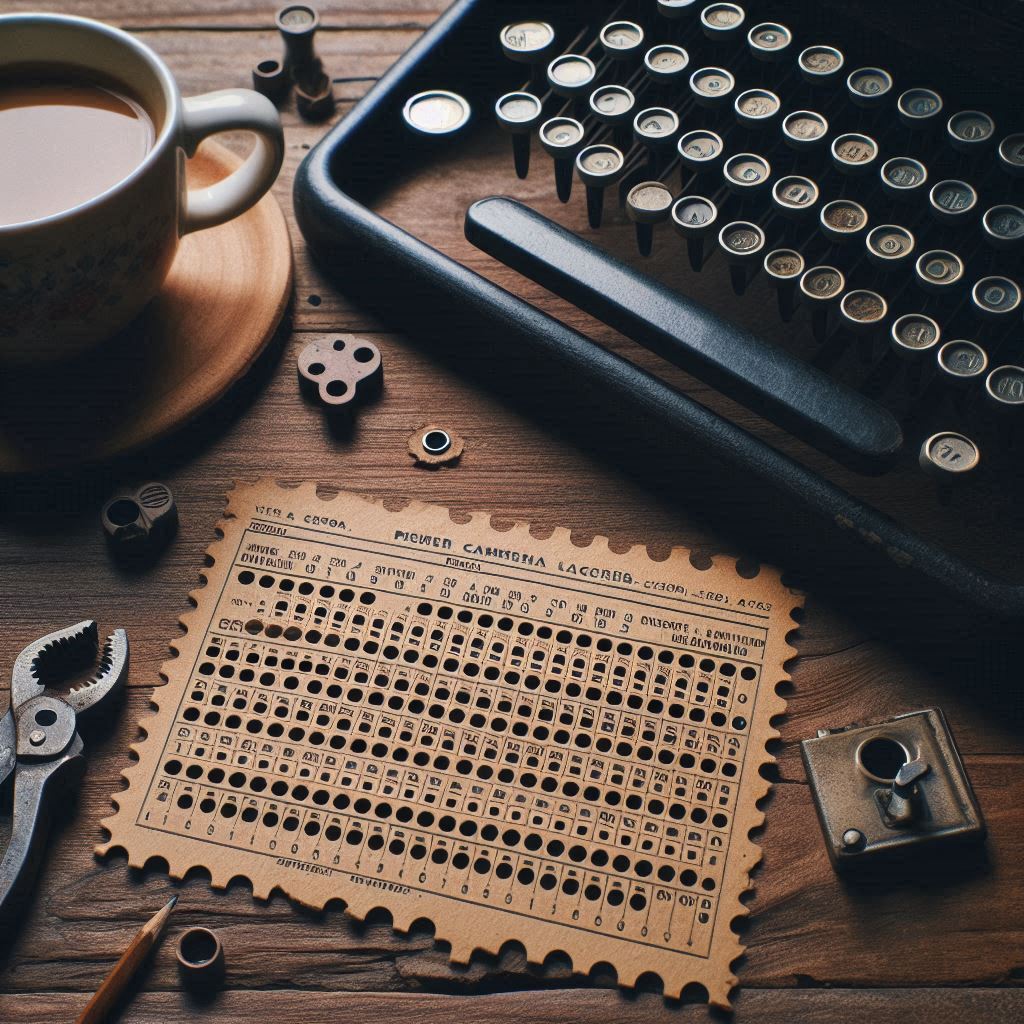
Punch codes
Punched tape or punched cards could be read by machines using certain arrangements of holes (hole codes). This made it possible, for example, to enter data into the computer or perform simple mathematical tasks.
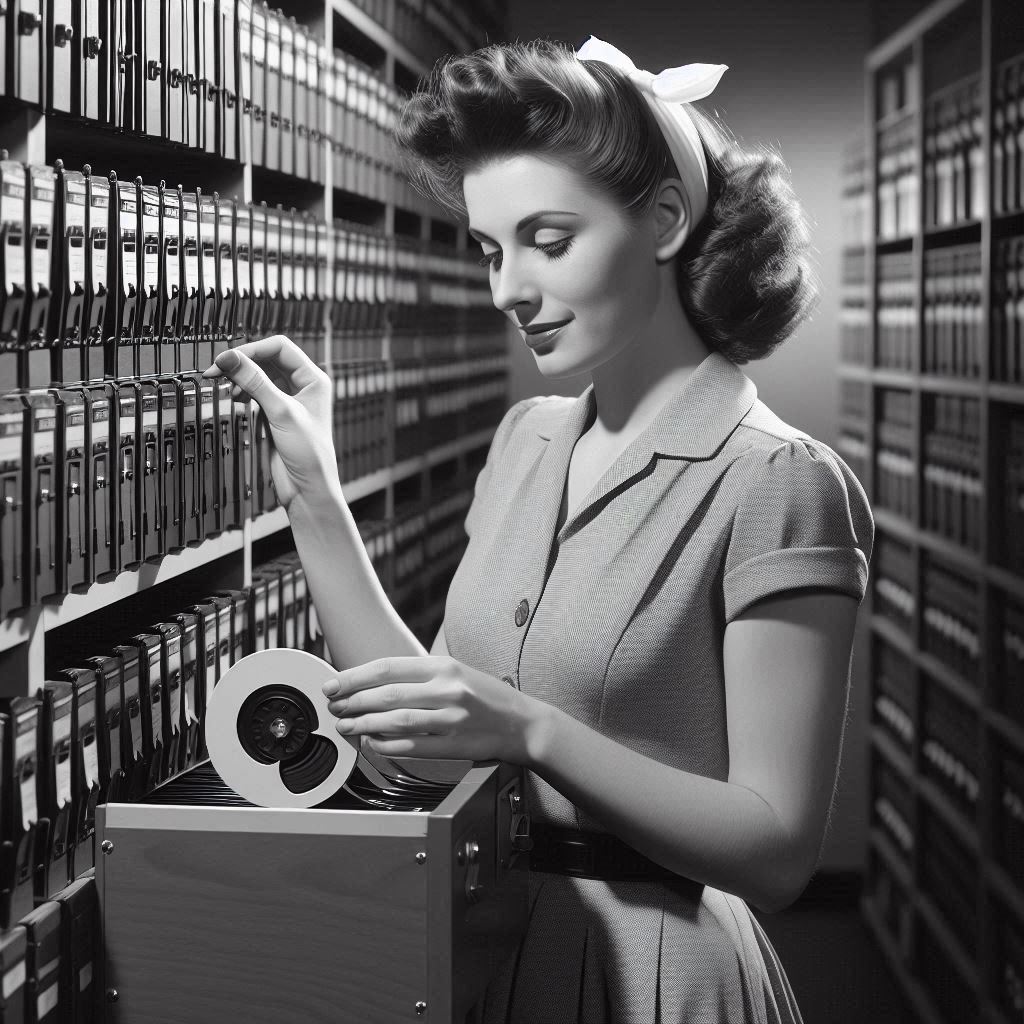
Magnetic tapes
In the 1950s, magnetic tapes were the first large storage medium to come onto the market. A typical magnetic tape could hold around 10,000 punched cards. However, despite their very long service life and large memory at the time, the tapes also took up a lot of space - companies had entire "magnetic tape libraries".
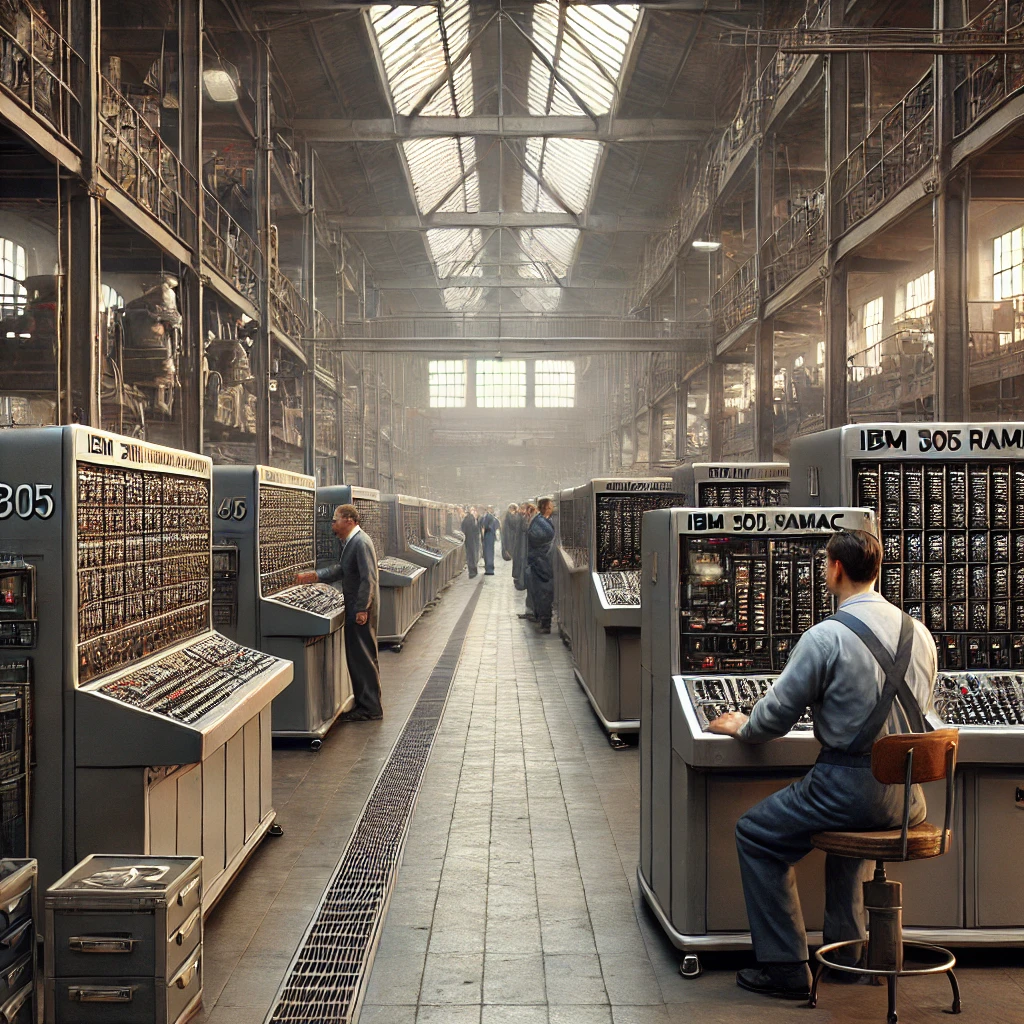
HDDs
The "IBM 350" was released in September 1956 as the world's first hard disc drive. It was part of the "IBM 305 RAMAC" computer, had a capacity of 3.75 megabytes, rotated at 1200 revolutions per minute and weighed about one tonne. Incidentally, you couldn't buy the hard drive - it was only available to rent for around 3200 US dollars a month.
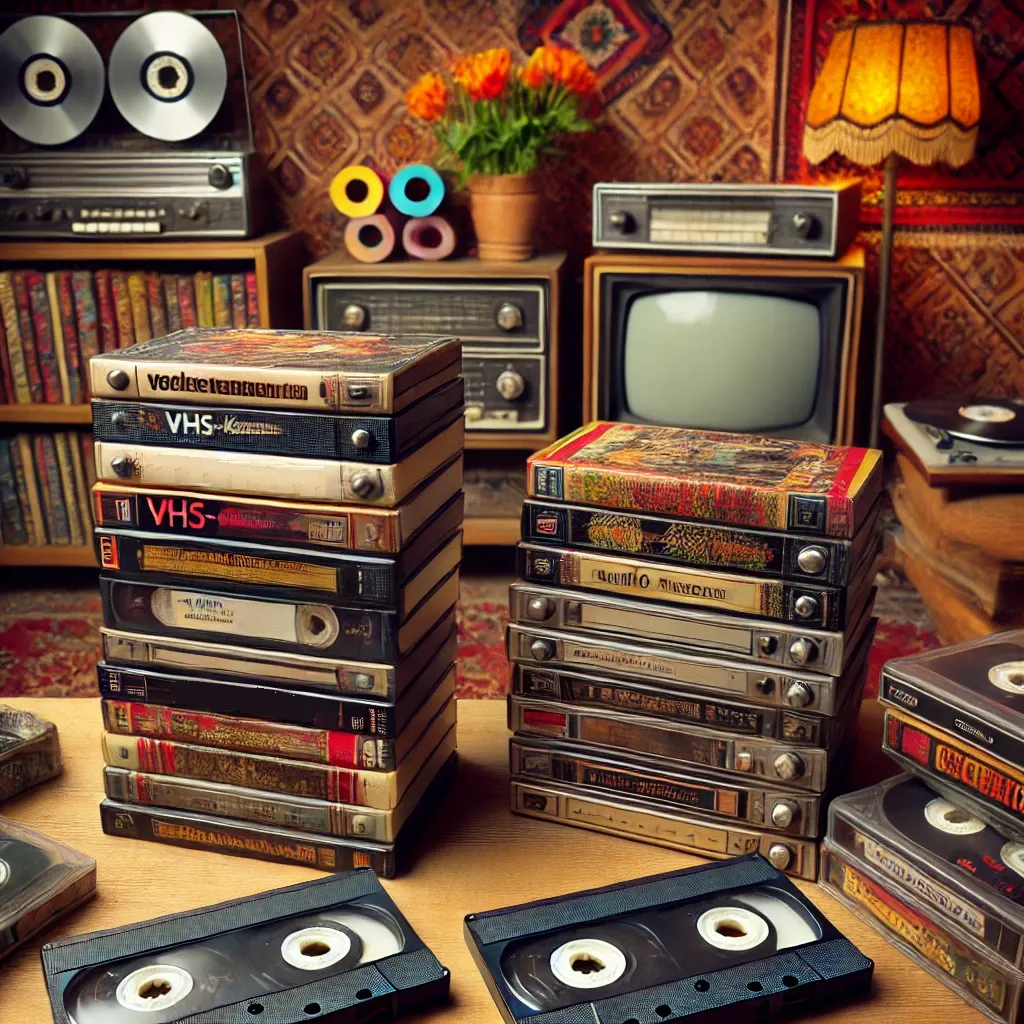
Audio tape / cassettes
Since the 1970s, "special" forms of magnetic tape have been developed, such as audio tapes & cassettes for audio recording and the VHS for recording and playing videos. (Most people can probably see themselves now trying to "thread" the tape tangle with an edged pencil in their hand)
Floppy disc
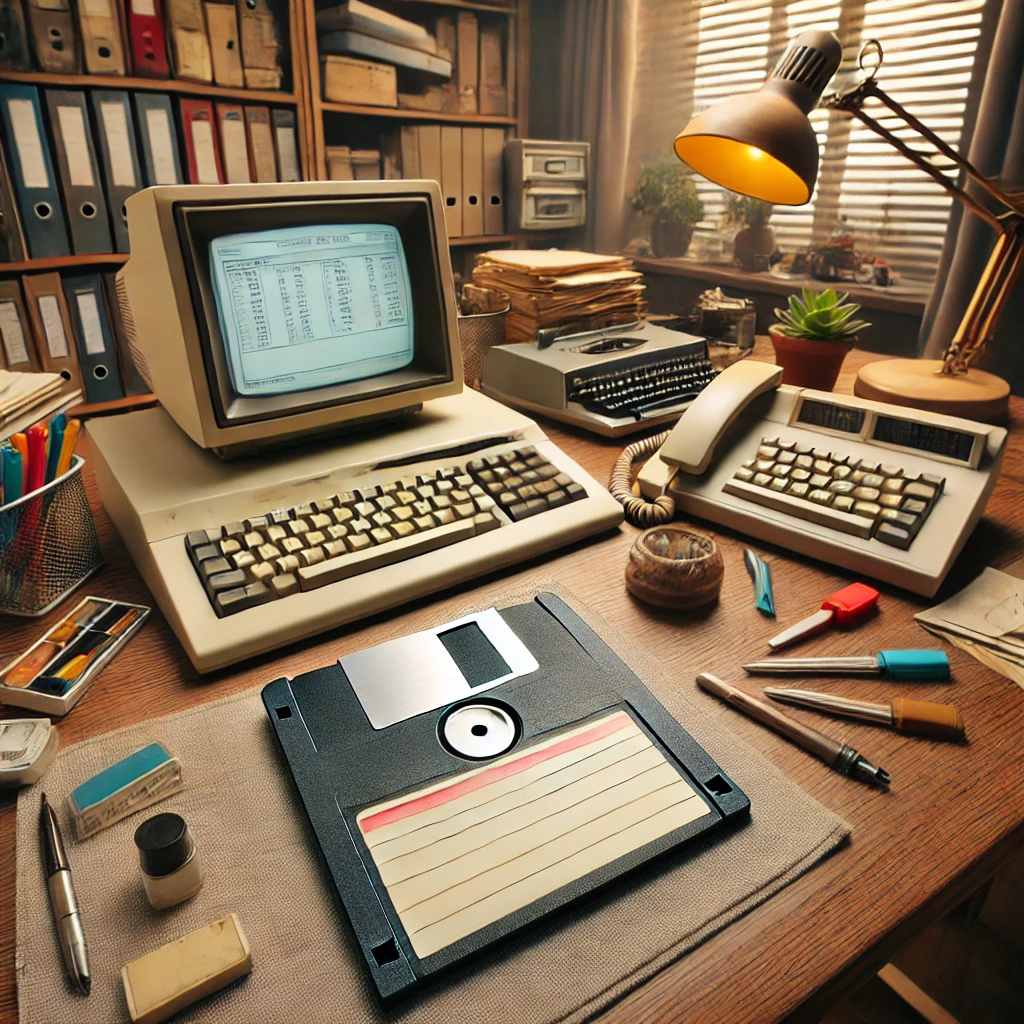
Square, practical - "flabby". The floppy disc went on a triumphal march from 1969. IBM launched the first 8-inch floppy disc to finally put an end to the unwieldy punch cards. The first 80 kilobyte discs could store around 1,000 punched cards. But here, too, improvements had to be made - because the soft plastic casing with built-in magnetic disc was not particularly durable. This only changed with the 3.5-inch disc (from 1982).
Hard disc
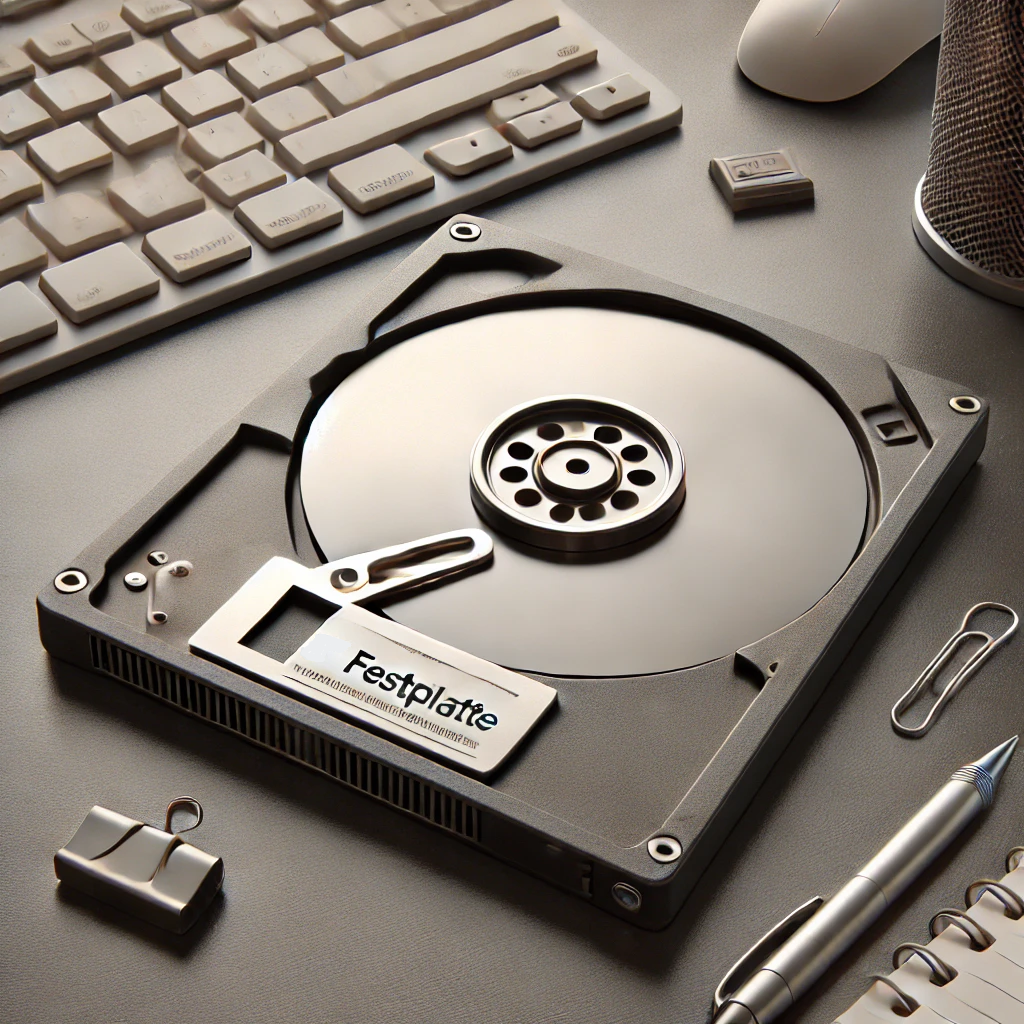
In 1979/1980, the hard disc giants suddenly became suitable for mass production. Seagate launched the first 5.25-inch hard disc on the market. Well, that is, if you could afford it. Because the 5 megabyte hard drive cost a hefty 1,500 US dollars at the time. Incidentally, the first RAID was defined in 1987 - the aim was to improve the access time in a hard drive network.
CDs
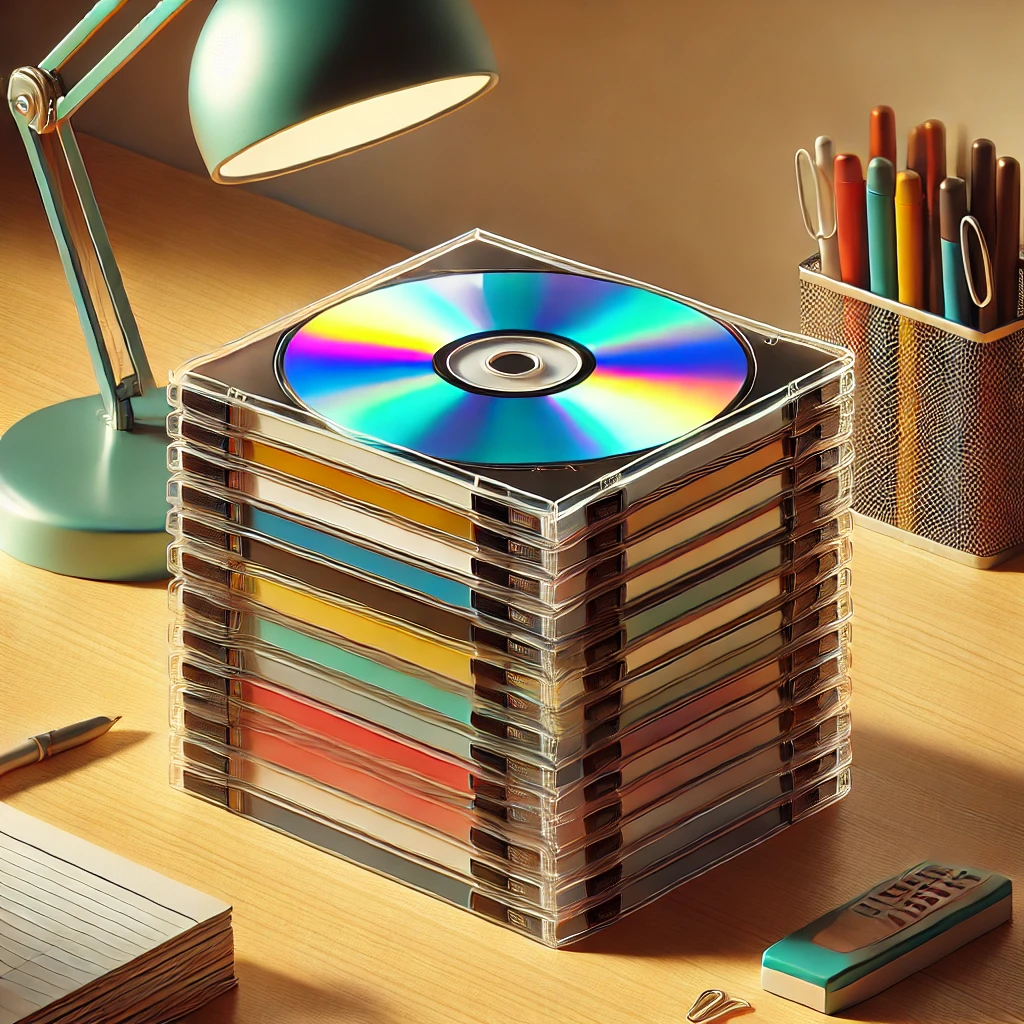
Goodbye Walkman, hello Discman - the first audio CD was launched in 1982 and made cassettes look a little old. The first CD to be used as a data carrier for computers was not sold until 7 years later. The first CD-R was then available in 1992 - this meant that private individuals could now also burn CDs themselves. However, as these were very expensive, the storage market was shaken up again in 1994 with the iomega Zip drive - but after the turn of the millennium, unlike the CD, this was the end for most floppy discs.
SCSI HDD
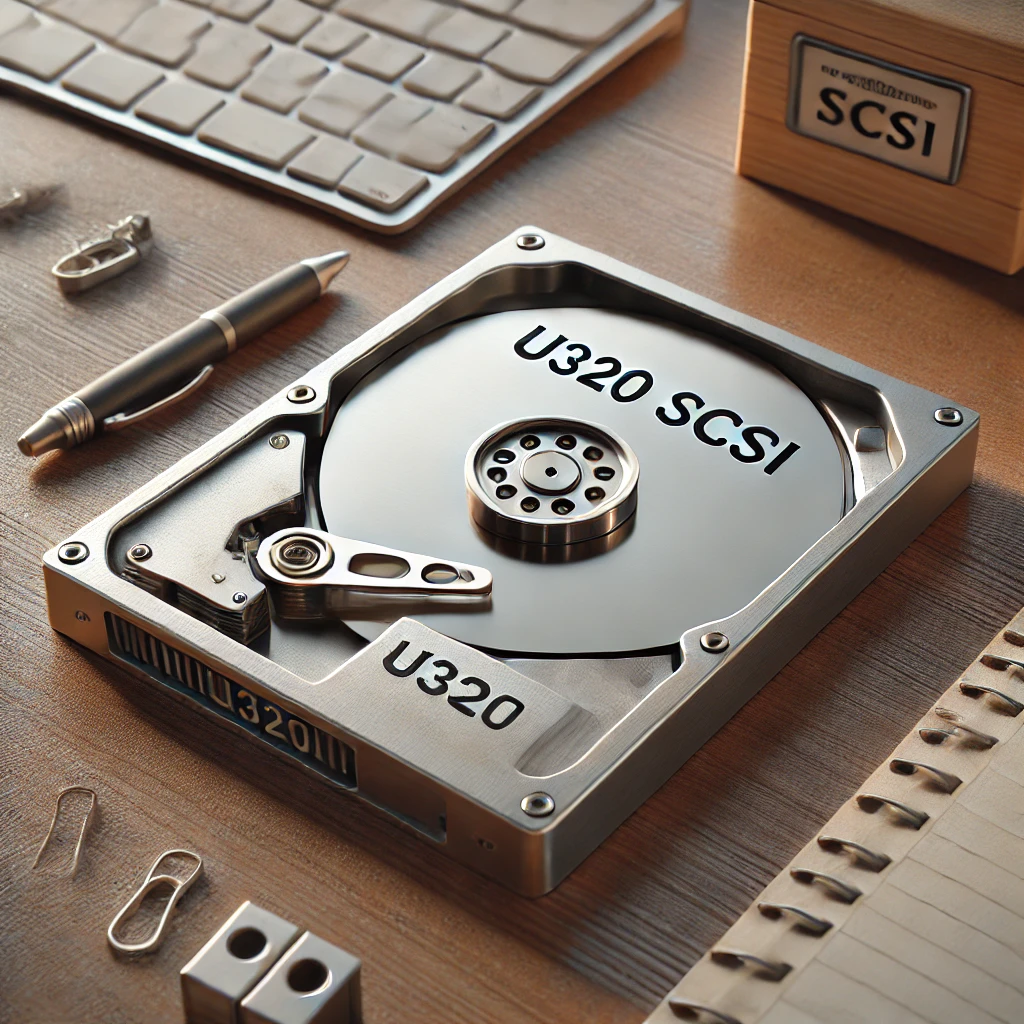
The first SCSI hard disc drive also came onto the market in the 1980s. The SCSI standard was published in 1982, allowing peripheral devices such as printers, scanners or external hard drives to be connected to the PC quickly and easily for the first time. The first SCSI HDDs came onto the market with 5 MB. At the turn of the millennium, the current Ultra160 SCSI standard was "overtaken" - soon "Ultra 320 SCSI" (U320 SCSI) discs, which were twice as fast, came onto the market - the SCSI interface was a real "revolution" in technology.
USB stick
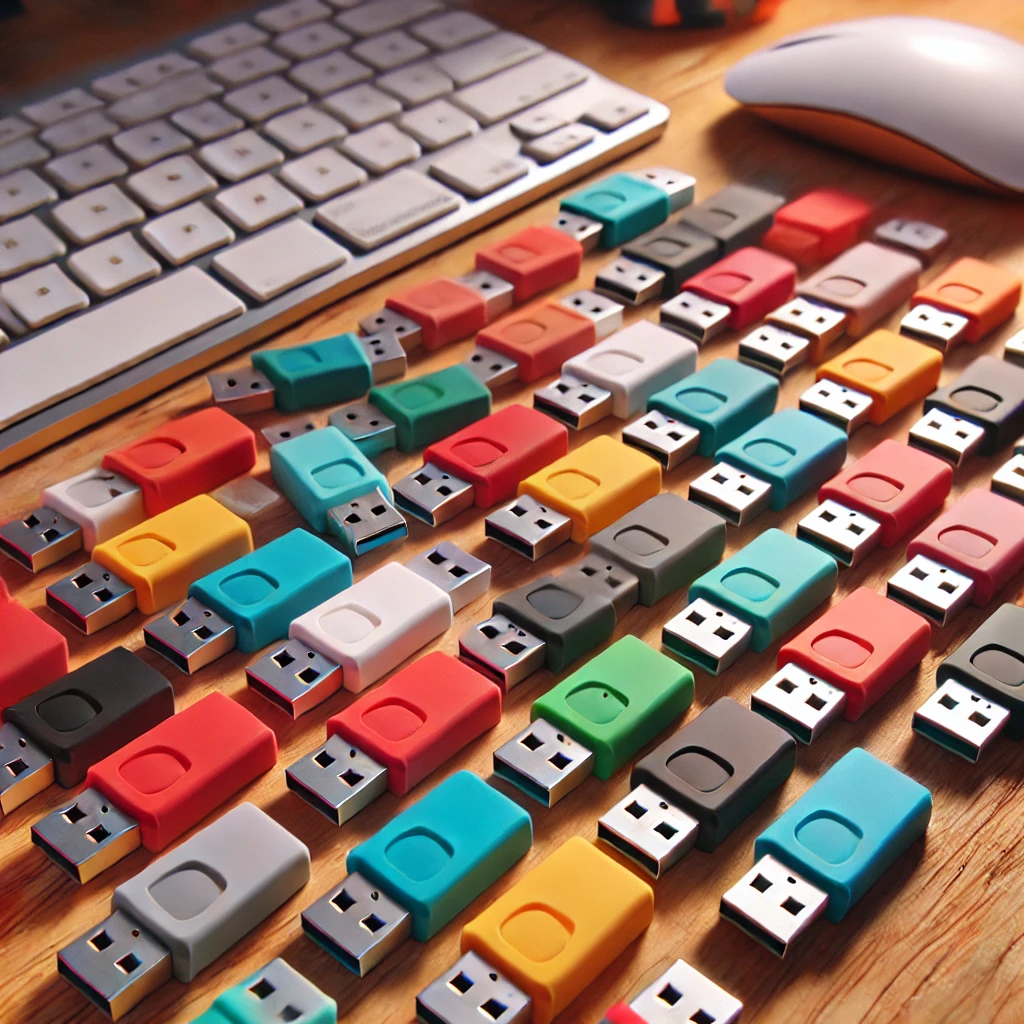
How do you plug in a USB stick? Wrong, turn it over, wrong, turn it back, right Joking aside - the USB memory stick, which came onto the market in 1996, was also a ground-breaking innovation in terms of storage media - because until then hardly anything had fitted into a trouser pocket - the small data carrier was therefore ultra-compact and practical. In addition, it is easy to connect to a PC or notebook, has a relatively long service life and today offers up to 1 TB of storage space.
SD card
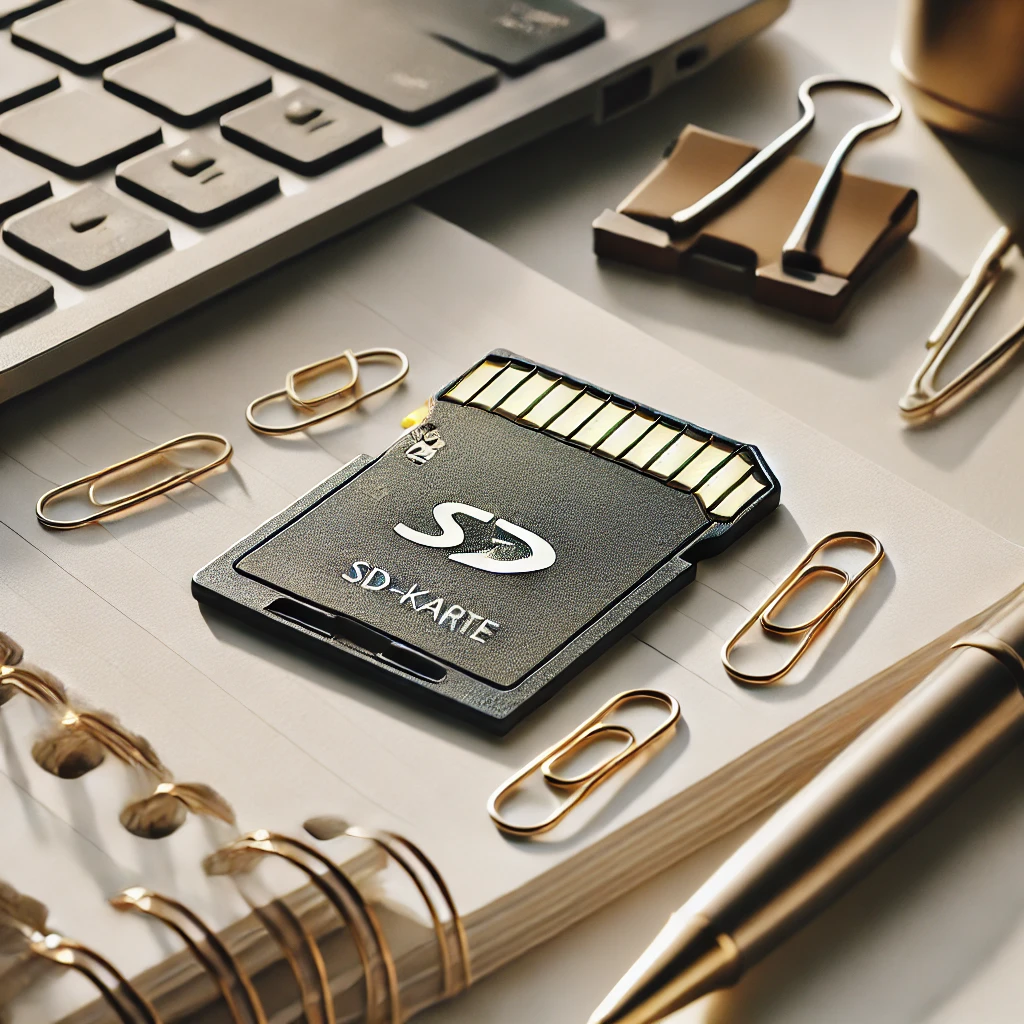
In 2001, SanDisk launched the SD memory card onto the market. The small memory card is preferably used in digital cameras, mobile phones or navigation systems and today achieves storage capacities of up to 2 terabytes. In the same year, the DVD is also launched on the market, which finally writes off video cassettes.
SATA HDD
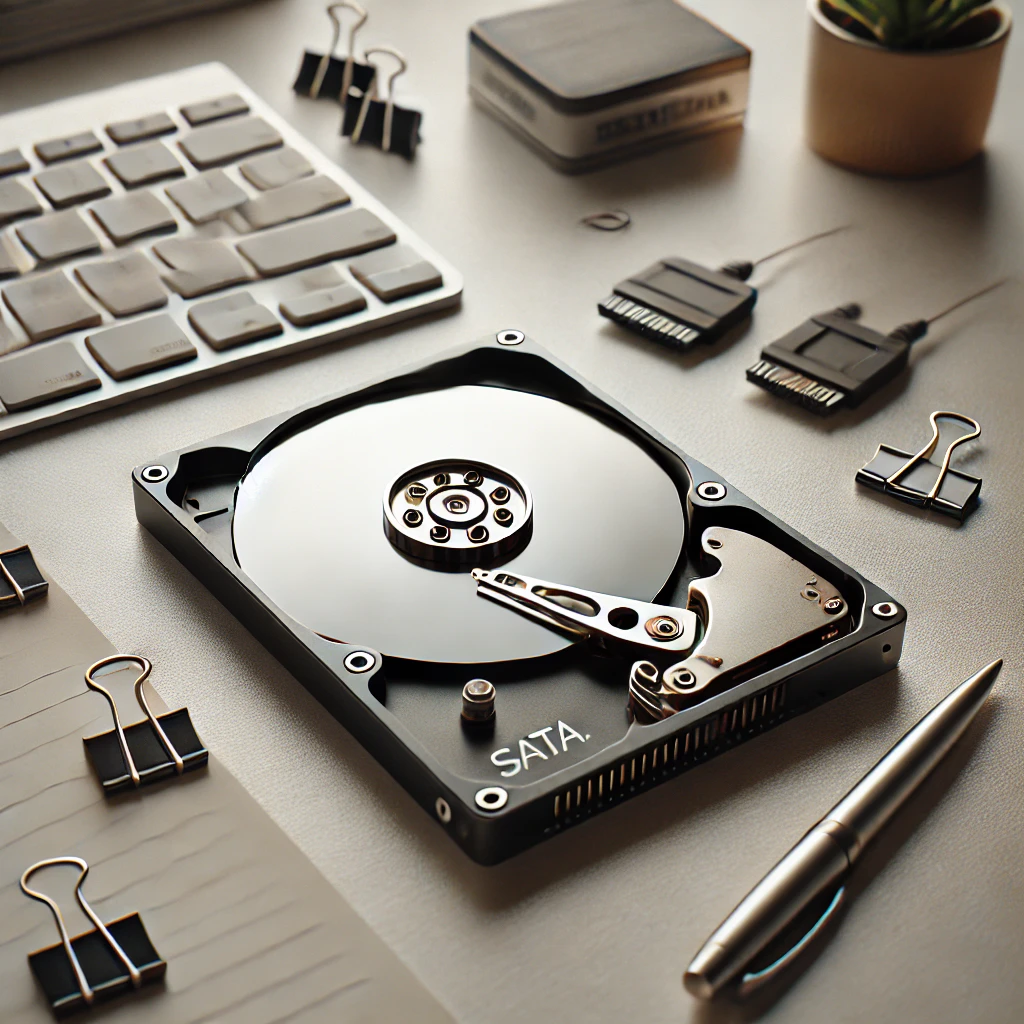
The SATA standard was also introduced in 2001. ‘Serial Advanced Technology Attachment’ uses serial signal technology and replaces the older PATA standards. While 1.5 Gbit/s transfer rates and up to 3 TB of storage space were initially the non-plus-ultra, today's 16 Gbit/s versions also offer up to 24 TB of storage space in the ‘private sector’.
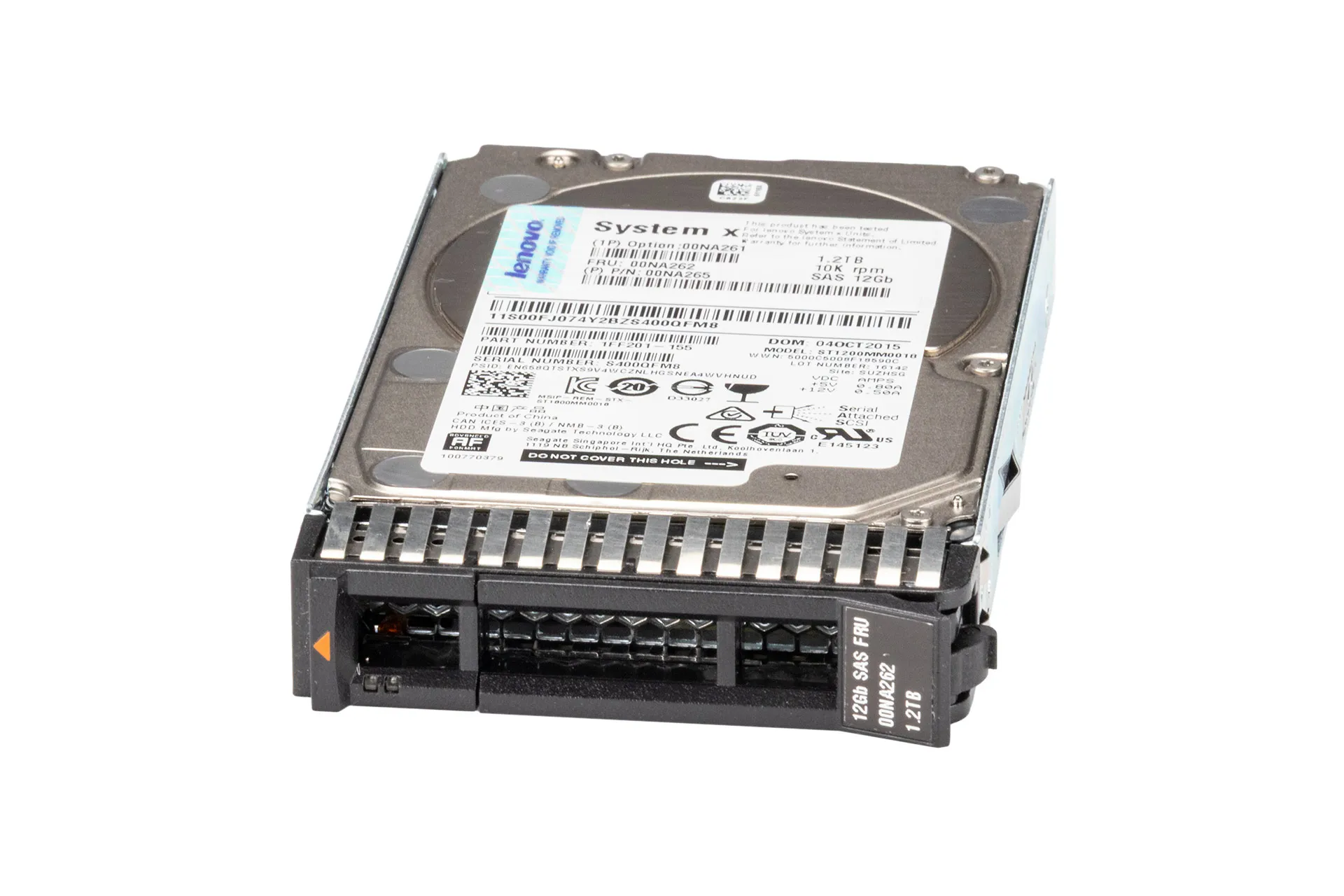
SAS HDD
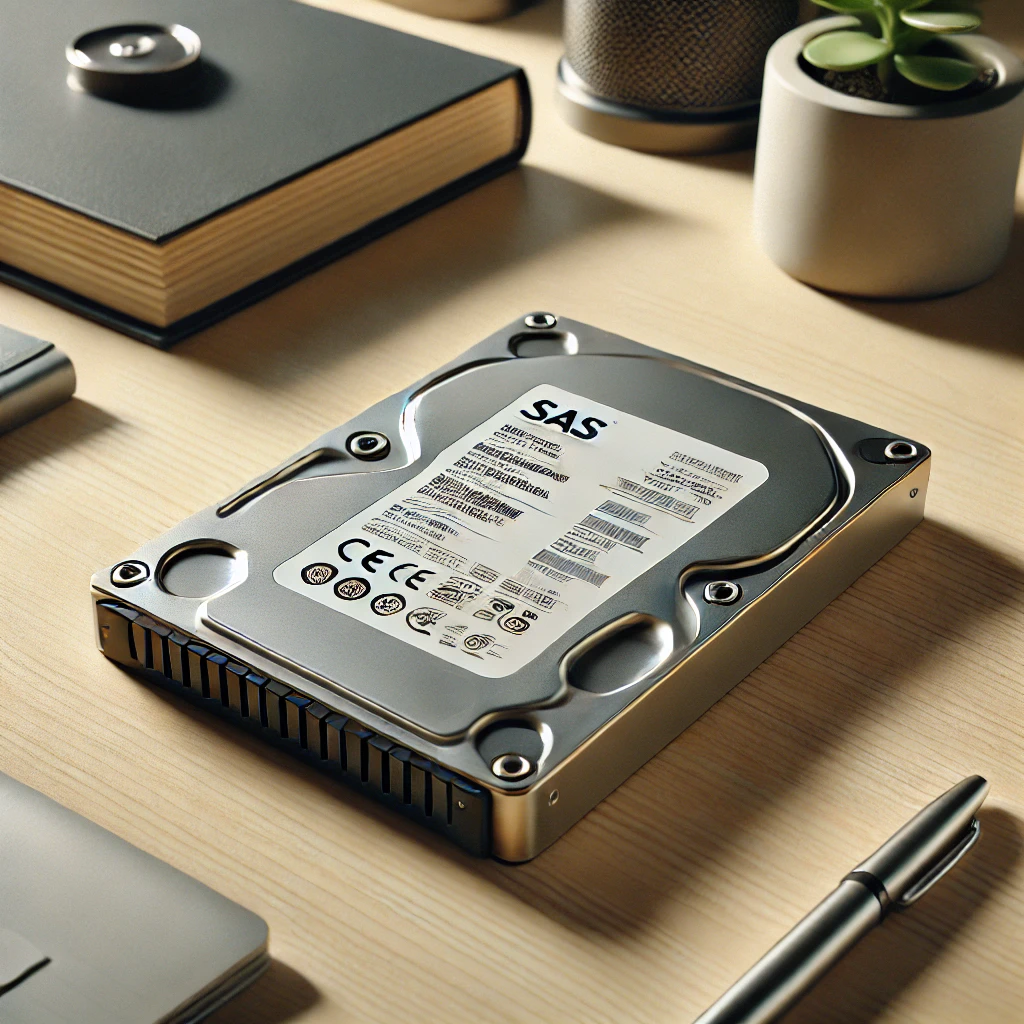
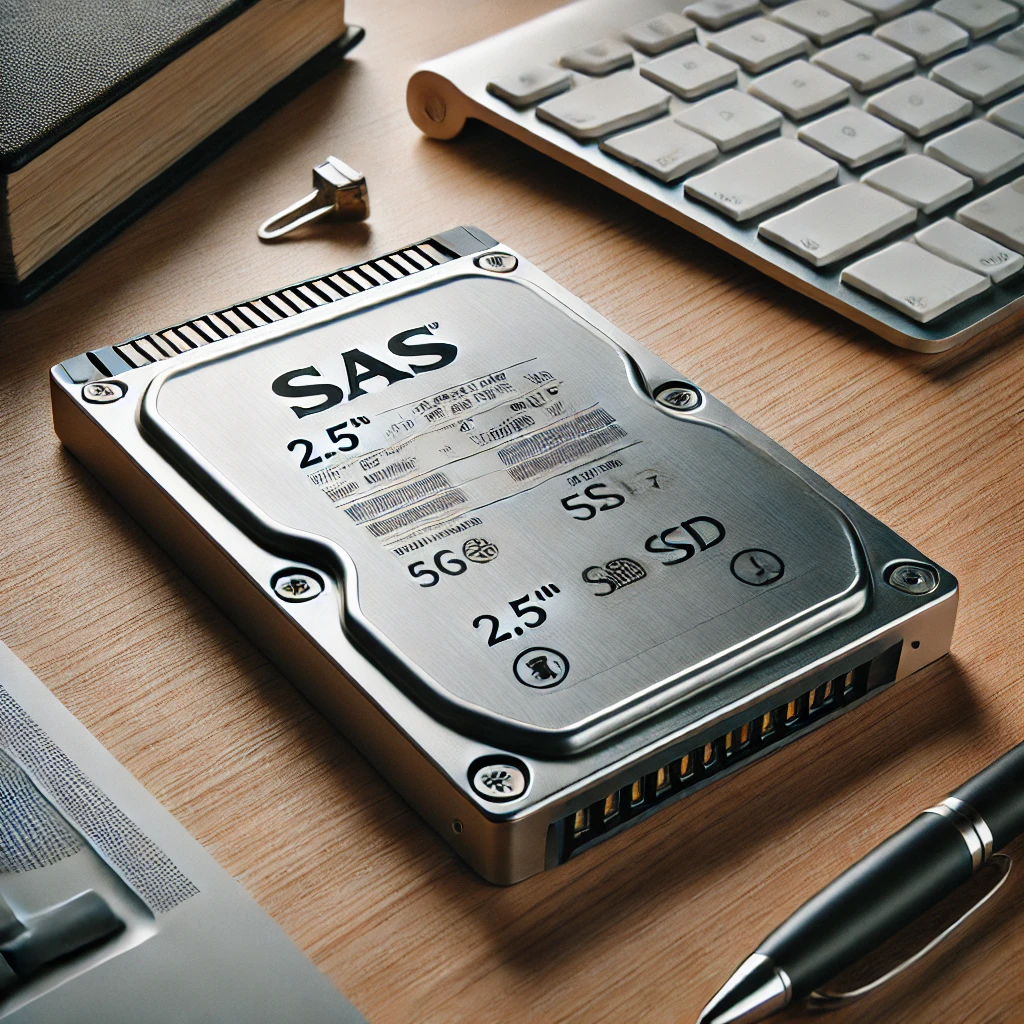
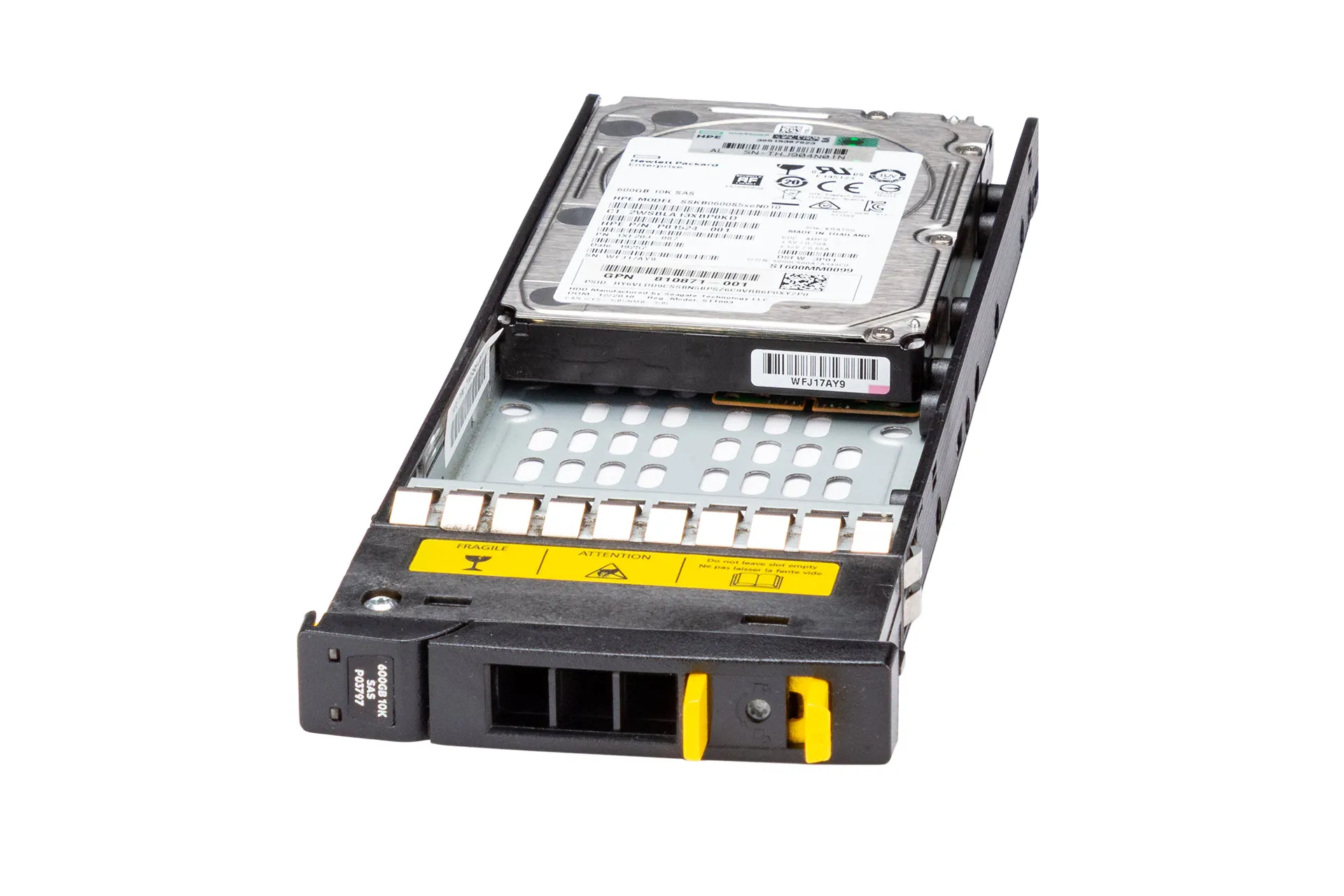
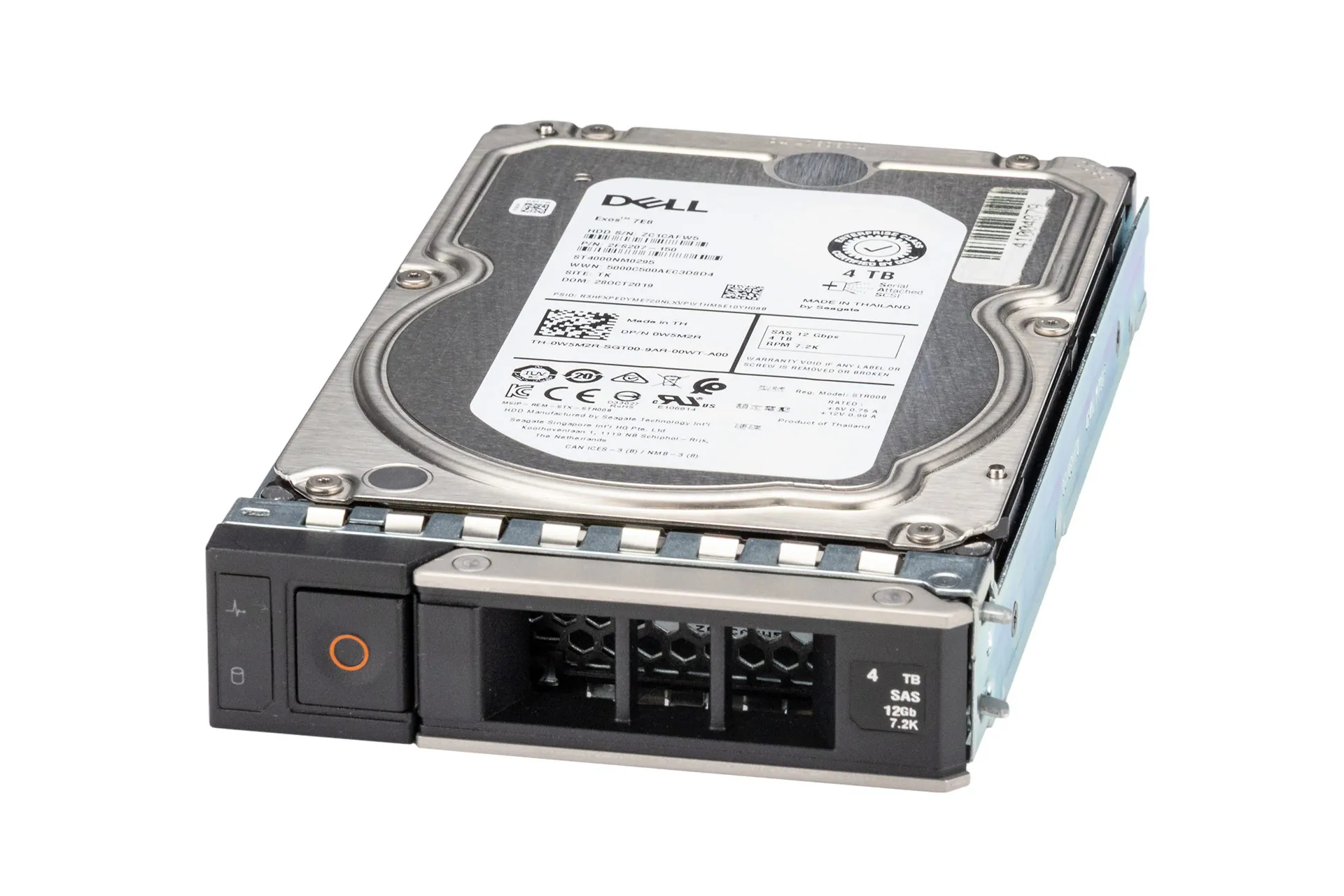
Three years after SATA technology, the SAS standard (Serial Attached SCSI) replaced the older, parallel SCSI bus systems. SAS creates a point-to-point connection between the motherboard and storage devices and, when introduced, a speed of 3.0 Gbps. The SAS-4 standard, which has been available since 2017, offers a transfer rate of 22.5 Gbit/s. Just like the SATA hard drives, there are also SAS HDDs with a 2.5‘ or 3.5’ design.
SSD
Flash memories such as USB sticks and SD memory cards have been on the market since the turn of the 2000s - in 2010, SSDs are now also conquering the private user sector.They were already being used in supercomputers between 1970 and 1980, but were not feasible for PC users due to their price.In 2006, Samsung made the leap onto the market - a 32 GB SSD with a PATA interface was released as a replacement disc for laptop hard drives. Today, solid state discs are available with SAS or SATA interfaces.Initially frowned upon for the server sector, the durable SSDs have now also been used in the professional sector for several years.
Cloud
In 2006, Amazon launched the first commercial cloud called EC2 (Elastic Compute Cloud) - Google followed in 2008 with storage services via an app. While the trend towards serverless architectures was still extremely hyped not long ago, today it is mainly hybrid and multi-cloud systems that combine local infrastructure with cloud services (sometimes via several cloud providers). With edge computing, data processing and the execution of applications takes place more on the user's end devices - resulting in low latency, better data protection and good scalability due to the lower network load and distributed processing.
NVMe
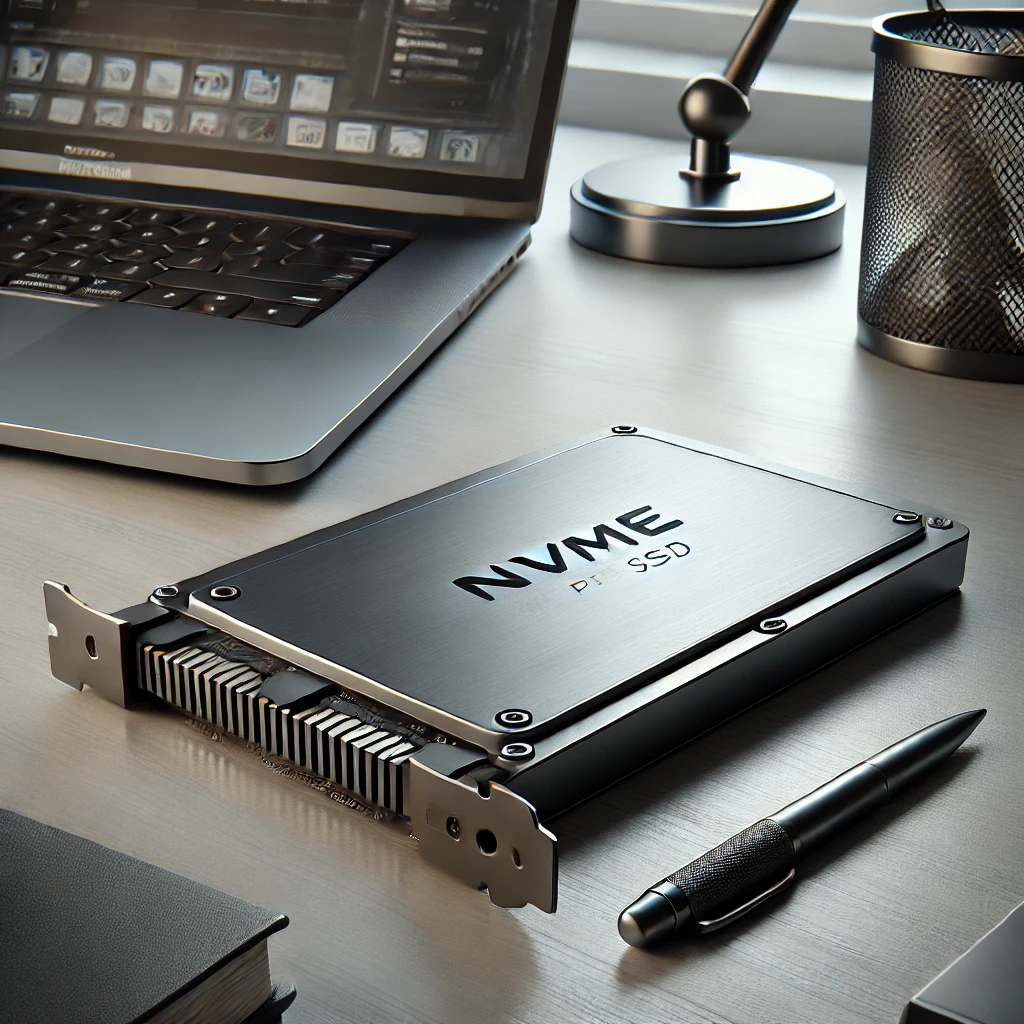
In July 2013, Samsung presented the first NVMe hard drive. With a read speed of 3 GB/s, it was six times faster than its predecessors in the enterprise sector. In addition to speed, NVMe (Non-Volatile Memory Express) has other advantages to offer: as it utilises the PCIe bus, this enables higher bandwidths and a better performance level. An enormous number of commands can be processed simultaneously, they have low latency and NVMe discs are also scalable as they are based on PCIe lanes and not on controller interfaces.
Affordable HDDs & SSDs for your data backup




World of Big Data - What are the storage technologies of the future?
Over 2.5 trillion bytes of data are generated worldwide every day - including around 294 billion emails, over 750,000 hours of new YouTube content and around 100 billion WhatsApp messages. We have made it from cave paintings to gigantic cloud databases - or exhausted them. Our extreme amounts of data and the constant availability of this data, no matter where we are, require sophisticated data management and secure, efficient storage.
Artificial intelligence also plays a major role here - according to estimates, chat GPT alone consumes over 500 megawatt hours of electricity every day. For comparison: single households consume between 1000 and 2000 kilowatt hours, couples between 1500 and 3000 kilowatt hours per year.
One megawatt corresponds to 1000 kilowatts - so the bot consumes more electricity per day than 250 single households or 167 couple households (taking the upper average) per year.The amount of data generated with each new input request and on the basis of learning processes in neural networks is probably beyond our imagination. The only thing that is clear is that these innovations also require larger storage capacities. This could be the case, for example:
Storage as a Service
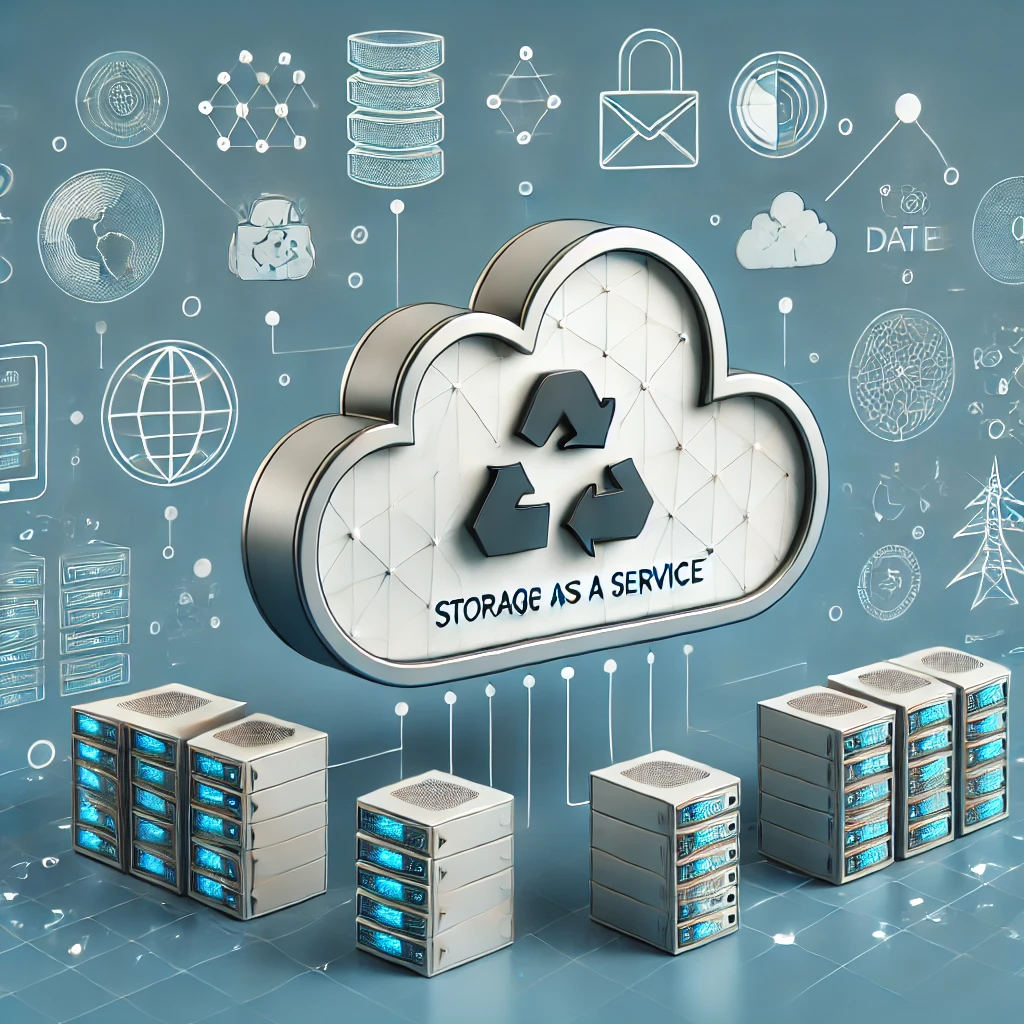
The existing concept of ‘STaaS’, or Storage as a Service, is likely to be expanded even further. Hybrid and multi-cloud solutions for companies will provide more flexibility, redundancy and therefore also security. In addition, the integration of AI will ensure that data management tasks are automated and storage usage is optimised - as are security measures in data management.
Quantum systems & quantum memory
The introduction of quantum computers and research into the quantum bit will revolutionise computer memory as we know it. Instead of the binary states ‘0’ and ‘1’, information will be stored and retrieved in the quantum state, i.e. in so-called ‘qubits’. By superimposing several possible states of the qubit, much more powerful storage solutions could be created.
Helium drives
Helium drives are also likely to become even more optimised and widespread: helium-filled hard drives offer higher capacities, less resistance, better cooling and lower energy consumption. Instead of ‘normal’ air, the HDDs are filled with helium. This technology would allow more data to be stored on a single drive - which could have a positive impact in terms of space and costs as well as scalability and maintenance.
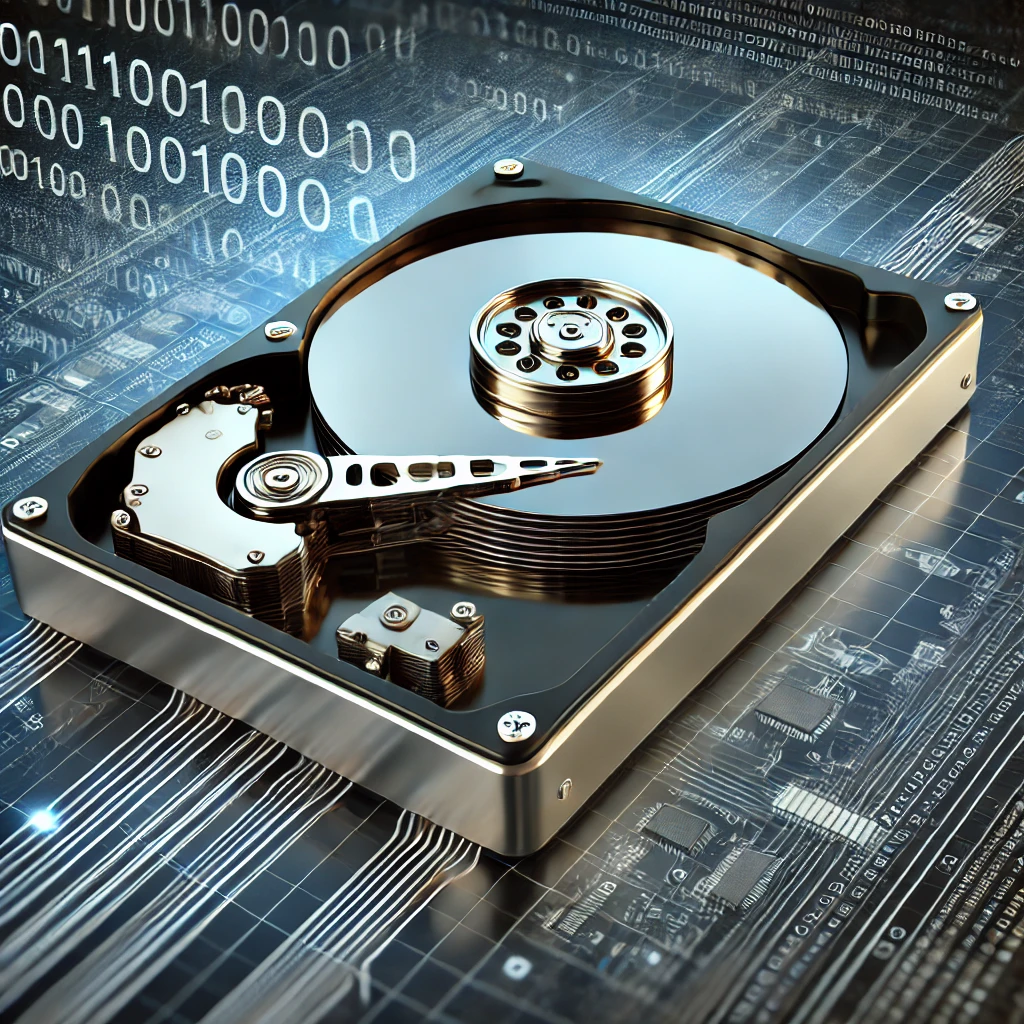
Shingled Magnetic Recording (SMR)
Another way to increase the capacity of a hard drive is called Shingled Magnetic Recording.By overlapping the recording of data, more information can be saved on one surface, resulting in a higher data density. The data carriers used could keep pace with the ever-growing flood of data thanks to complex algorithms and amazing data management - however, there are currently still challenges in terms of writing speed that need to be improved.
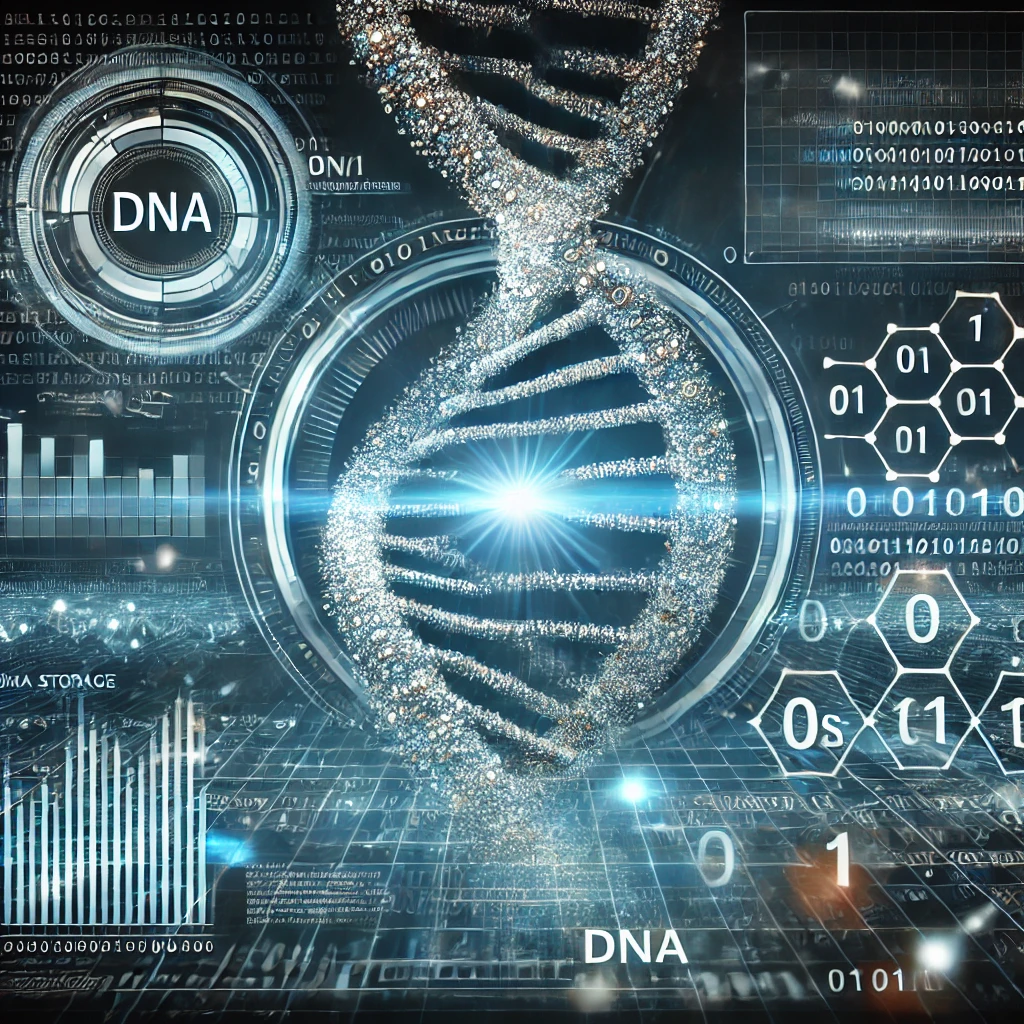
DNA storage
One technology that is still being researched is DNA storage. Similar to our bones, from which information can still be read thousands of years later, storage in the form of DNA should also work one day. Just like quantum technology, this possibility would also revolutionise the storage of our data. This could lead to an extremely high data density, greater environmental friendliness, as DNA storage requires hardly any space or energy, and a particularly long service life due to the fact that DNA is very stable. However, the enormous cost factor is currently still standing in the way of research.
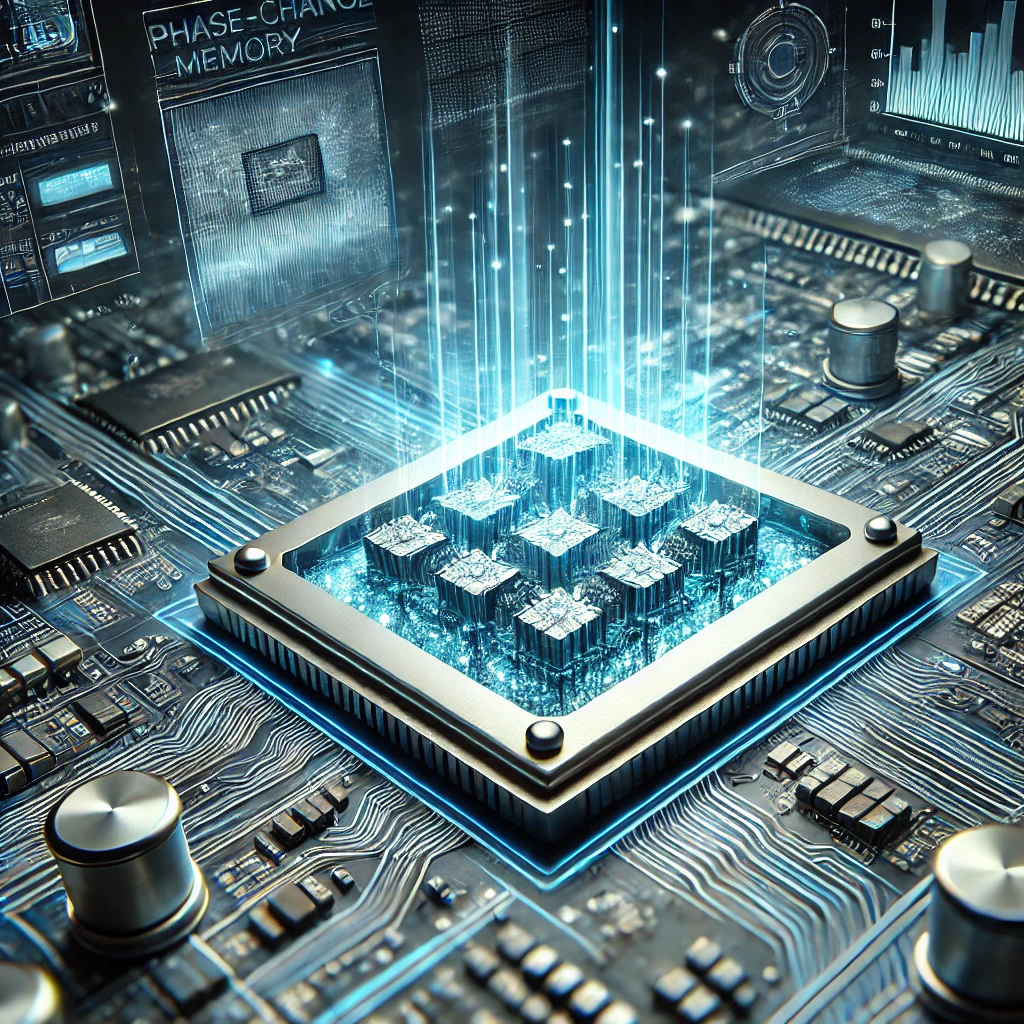
Phase change memory (PCM chips)
PCM chips - the successor to flash memory?It could be, because this memory technology is already being used in smartphones. Current pulses are used to heat the special material of a PCM chip, changing its state and enabling data to be stored. In contrast to flash memory, much higher storage capacities can be achieved with PCM memory - in addition, PCM has no ‘signs of fatigue’, which means that the phase change memory can be written to much more frequently.In addition to a high storage density, this also means a longer service life.At the moment, however, the production of PCM is still extremely cost-intensive.
As we can see, the way in which we back up our data and store it for posterity has developed incredibly rapidly with the constant advances in technology. The ‘explosive’ innovation trend of the last 20 years is likely to increase significantly with the introduction of AI - not to mention when quantum computers have been made ‘socially acceptable’. We can't wait to see what lies ahead.
If you would like to know more about the development of technology or AI systems, we have more interesting blog posts from our archive for you here: AIs can and will be a great enrichment for humanity